 National Methadone Clinics
580 Park Avenue West, Mansfield, OH, 44906
Active
- Outpatient
- Detox
- Medication-assisted treatment
- Medicaid
City
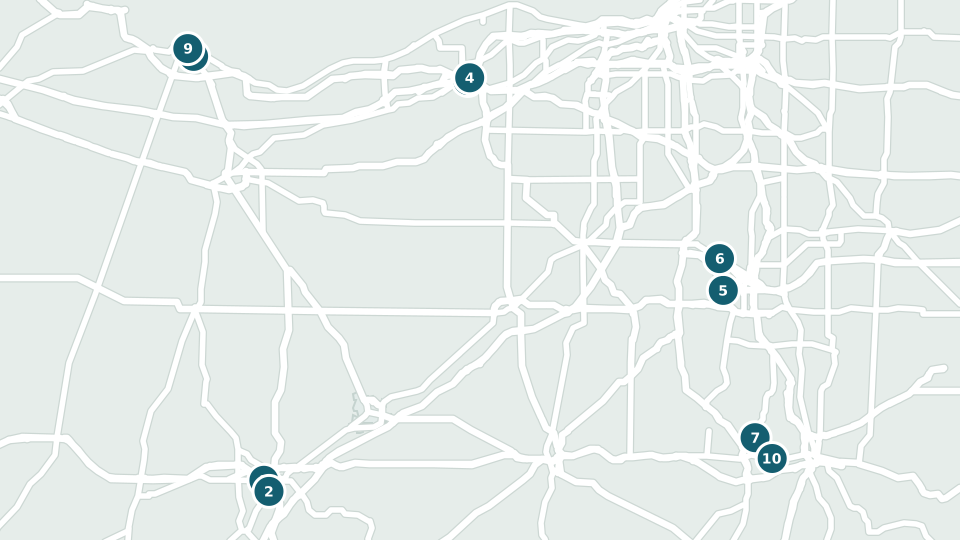
10 options near Ashland, OH, nearest first. Compare services and locations, then call to check availability.
Call (888) 209-0266Ask about your optionsThis number connects to our central helpline, not directly to a listed facility.
Check which services are available for your needs.
Confirm payment options and any waiting time directly.
Ask what information the program needs from you.
Reaching out for medication-based treatment takes courage, and knowing what to ask can make that first call feel less overwhelming. When you contact a program near Ashland, it helps to ask whether they treat adults, since some programs in the broader region confirm they serve adult patients. You can also ask whether the program offers medication for alcohol use alongside opioid treatment, and whether they support people dealing with both a substance use disorder and a mental health condition such as depression or anxiety.
These services are confirmed at some regional treatment providers, so asking directly helps you learn what each location offers. You might also ask about the intake process, what documents to bring, how dosing visits are scheduled, and what counseling or support groups are included in care. There is no single right question to start with — the staff you speak with are there to walk you through the process, and asking about costs, insurance, and next steps is a normal part of the conversation.
Programs generally expect these questions, and being upfront about your situation helps them match you with the right level of care.
Call (888) 209-0266
Methadone clinics provide medication for opioid use disorder through what is often called opioid treatment programs. At these programs, methadone is dispensed daily on-site, and you typically take your dose at the clinic under supervision, especially in the early weeks of treatment. As you show stability over time, some programs allow take-home doses for certain days.
Many clinics also pair the medication with counseling and drug testing as part of a structured treatment plan. Because rules for take-home doses and program requirements vary, it helps to ask how each clinic structures its day-to-day schedule and what you can expect over the first few months.
Call (888) 209-0266Check which services each program reports offering.
Consider travel distance and whether care is in person or remote.
Ask the program directly about payment and coverage.
Confirm how to contact the program and what to expect.
When you call a methadone clinic for the first time, it helps to have a few questions ready. Ask how soon you can start treatment and whether there is a wait for an intake appointment. Ask what you need to bring, such as identification or insurance information, and what the assessment involves.
Ask about the daily dosing schedule and how the clinic handles weekends and holidays. It also helps to ask about fees, whether they accept your insurance, and what happens if you need to travel or miss a dose. Finally, ask how counseling fits into the program and who you would talk to about concerns once you are enrolled.
Payment for methadone treatment in Ohio can take several forms, and understanding your options ahead of time helps remove barriers to getting help. If you carry private insurance, review your policy or speak with a representative to learn whether medication-assisted treatment is a covered benefit, since plans differ in their coverage rules. Public programs like Medicaid are used by many Ohio residents to pay for opioid treatment services, but you must meet eligibility criteria, so it is important to confirm your status and benefits with the appropriate agency.
Some clinics also provide sliding-scale fees that adjust the cost of treatment according to what a patient can reasonably afford, and self-pay remains an option for those who prefer to pay directly. No matter which route fits your situation, reach out to the clinic beforehand to verify current payment policies and any required documentation.
Start with the kinds of care relevant to your needs.
Check each program’s listed services, location and contact details.
Contact a program to confirm availability, costs and the next step.
When you compare nearby methadone clinics, start with the practical details that affect daily life. Ask about dosing hours, since you may need to visit in person each day at first. Check whether the clinic accepts your insurance, offers a sliding scale fee, or works with your state's funding programs.
Find out how long intake takes and whether there is a waiting list, because starting treatment sooner can matter. Also ask about counseling options, transportation access, and what the clinic requires for take-home doses later in treatment. A clinic that fits your schedule and budget is usually easier to stick with long term.
Reaching out for medication-based treatment takes courage, and knowing what to ask can make that first call feel less overwhelming.

If you or someone else is in immediate danger, call 911 right away. That includes any overdose, severe withdrawal, or a medical crisis. You can also call or text 988 for the Suicide and Crisis Lifeline if you or someone you know is struggling emotionally.
Naloxone can reverse an opioid overdose, and many pharmacies sell it without a prescription. If you are already in treatment and a crisis comes up, tell clinic staff so they can help you figure out next steps.
If you or someone else is in immediate danger, call 911 now.
Call (888) 209-0266580 Park Avenue West, Mansfield, OH, 44906
Active
475 Lexington Avenue, Mansfield, OH, 44907
Active
1508 West River Road North, Elyria, OH, 44035
Active
174 Midway Boulevard, Elyria, OH, 44035
Active
1735 South Hawkins Avenue, Akron, OH, 44320
Active
1900 West Market Street, Suite 100, Akron, OH, 44313
Active
2520 Wales Avenue NW, Suite 100, Massillon, OH, 44646
Active
1012 East Perkins Avenue, Sandusky, OH, 44870
Active
1036 Cleveland Road, Sandusky, OH, 44870
Active
3545 Lincoln Way East, Massillon, OH, 44646
Active
Ask whether the program treats adults, whether they offer medication for alcohol use in addition to opioid treatment, and whether they care for people with both substance use and mental health concerns. It is also fair to ask about intake steps, scheduling, counseling options, and what a first visit involves. Staff expect these questions and can guide you through them.
No. You do not need a plan or a diagnosis before calling. Programs are set up to talk with people at any stage, answer basic questions, and explain what the next step looks like. Being honest about your situation, even if it feels messy, helps the staff point you toward the right care.
You usually start by calling the clinic or walking in to ask about intake. Most programs begin with an assessment, a review of your health history, and a discussion of your opioid use. After that, a provider determines your starting dose. The first doses are taken at the clinic, and you return daily for dosing at the beginning.
Plan for a daily visit at first, since methadone is dispensed on-site and usually taken under supervision. Clinics typically open early, often before 8 a.m., so people can dose before work. Some also offer evening hours or weekend schedules. Ask each clinic about its exact hours and how they handle holidays.
As you progress, clinics can allow take-home doses for some days, so you do not have to come in every single day. Federal rules let stable patients earn take-home doses over time, but each clinic has its own requirements for counseling attendance and drug testing. Ask how the clinic decides when someone is ready and what its policy is if you miss a visit.
Last updated