 National Methadone Clinics
1951 OH Highway 59, Suite A, Kent, OH, 44240
Active
- Outpatient
- Detox
- Medication-assisted treatment
- Medicaid
City
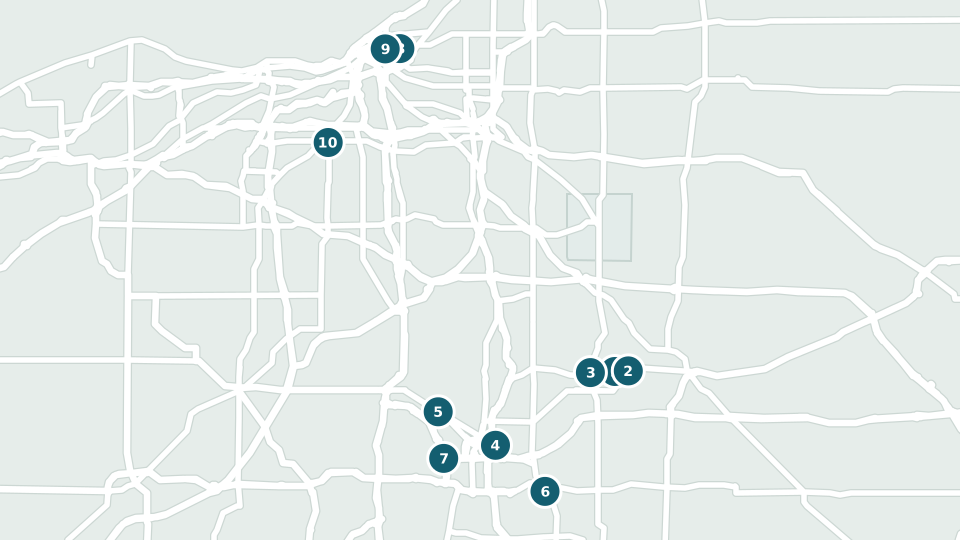
10 options near Aurora, OH, nearest first. Compare services and locations, then call to check availability.
Call (888) 209-0266Ask about your optionsThis number connects to our central helpline, not directly to a listed facility.
Check which services are available for your needs.
Confirm payment options and any waiting time directly.
Ask what information the program needs from you.
If you are looking for medication-assisted treatment near Aurora, the first conversation with a program usually sets the tone for everything that follows, so it helps to go in with a few questions ready. You can ask how the intake process works, whether you need an appointment or can walk in, and what you should bring with you, such as a photo ID and any insurance card you have. It is fair to ask how the program decides on a starting dose, how often you will need to visit in the beginning, and what the clinic hours look like on weekdays and weekends.
Many people also want to know how long the daily visits last, what counseling or group support is offered alongside the medication, and what happens if you miss a day. If you rely on transportation or have work and family obligations, ask about scheduling flexibility before you commit. Privacy matters too, and staff can explain how your records are protected.
Programs in the surrounding communities, including options in Kent, Akron, and Cleveland, each run their intake a little differently, so calling ahead is the simplest way to learn what a first visit will involve and what documentation, if any, the program needs from you.
Call (888) 209-0266
Treatment at a methadone clinic usually starts with an intake assessment, followed by a period of daily visits while your dose is adjusted. Some people later qualify for take-home medication, which reduces how often they need to come in. Programs differ in what surrounds the medication itself: some include regular individual counseling, group sessions, or referrals to primary care and mental health services.
Since services vary, it helps to ask each program directly what a typical week looks like, how take-home privileges work, and what happens if you miss a visit.
Call (888) 209-0266Check which services each program reports offering.
Consider travel distance and whether care is in person or remote.
Ask the program directly about payment and coverage.
Confirm how to contact the program and what to expect.
Good first-call questions cover scheduling, cost, and how the program runs day to day. Ask how long the intake process takes and when you could receive your first dose. Ask what hours the dosing window is open and how early you must arrive.
Cover the money side too: what insurance they take, what fees to expect, and whether a payment plan exists. Then ask about the treatment itself, including counseling options, how dose changes are decided, and when take-home medication becomes possible.
When exploring methadone clinics in Ohio, cost and payment are common concerns, and several funding paths are typically available. Private insurance is one route many patients take, though the scope of coverage for opioid treatment varies by plan, so checking with your provider is an essential first step. Public coverage, including Medicaid, helps many state residents afford treatment, provided they meet the program's eligibility requirements, which should be confirmed before scheduling intake.
Clinics in many areas also use sliding-scale fees, meaning the amount a patient pays is adjusted to reflect income and financial circumstances, which can significantly reduce the burden of care. For individuals who choose to self-pay, most facilities can accommodate direct payment, though rates and accepted methods vary. To avoid surprises, always contact the clinic directly to confirm pricing, insurance handling, and any financial assistance that may be available.
Distance and hours matter more than many people expect, because methadone treatment usually requires daily visits at first. Compare how each clinic's schedule fits your work, transportation, and family obligations. Then look at the program itself: how staff handle dose adjustments, what counseling is available, and what the rules are around take-home doses and missed visits.
It is also fair to ask about costs and payment options before you commit. The best choice is often the program you can realistically get to every day.
If you are looking for medication-assisted treatment near Aurora, the first conversation with a program usually sets the tone for everything that follows, so it helps to go in with a few questions ready.

For any urgent medical situation, call 911 or go to the nearest emergency room. This includes suspected overdose, severe withdrawal symptoms, or any moment when you fear for someone's safety. Many states have Good Samaritan laws that protect people who call for help during an overdose, so the priority is getting assistance quickly rather than worrying about consequences.
Tell emergency responders whatever you know about what was taken, since that information helps them provide the right care.
If you or someone else is in immediate danger, call 911 now.
Call (888) 209-02661951 OH Highway 59, Suite A, Kent, OH, 44240
Active
2500 State Route 59, Suite 28 & 30, Kent, OH, 44240
Active
155 North Water Street, Kent, OH, 44240
Active
725 East Market Street, Akron, OH, 44305
Active
1900 West Market Street, Suite 100, Akron, OH, 44313
Active
1502 Canton Road, Akron, OH, 44312
Active
1735 South Hawkins Avenue, Akron, OH, 44320
Active
8101 Euclid Avenue, Suite 21, Cleveland, OH, 44103
Active
5209 Euclid Avenue, Cleveland, OH, 44103
Active
5850 Ridge Road, Cleveland, OH, 44129
Active
Call the program first and ask about intake. Most clinics will explain whether they accept walk-ins or require an appointment, what identification and insurance information to bring, and how quickly a first dose can be given after an assessment.
Ask how the starting dose is chosen, how often you will need to come in at first, whether take-home doses become available over time, and what to do if you miss a visit or travel. Also ask about clinic hours so you can plan around work or family responsibilities.
Methadone is a daily medication used to treat opioid dependence by easing withdrawal and reducing cravings, which makes it easier to stop using other opioids. Because it is long-acting, one dose per day can hold withdrawal at bay between visits. Clinics pair the medication with counseling and regular check-ins. How long someone stays in treatment depends on their progress and is discussed with their treatment team.
Early in treatment, yes, daily visits are standard because the dose needs close monitoring. Federal guidelines let clinics grant take-home medication to patients who meet stability requirements, such as time in treatment and negative drug screens. Some patients eventually visit weekly or less. The timeline depends on your progress and your clinic's policies, so it is worth asking about on your first call.
That depends on your coverage and the clinic. Many methadone programs accept Medicaid, and some offer payment plans or fees based on income for people paying out of pocket. Before enrolling, ask the clinic for the full cost picture: intake fees, daily dosing fees, counseling charges, and any drug-screening costs. Comparing those numbers across clinics in your area can save real money.
Last updated