 National Methadone Clinics
2172 North Salem Street, Suite 105, Apex, NC, 27523
Active
- Outpatient
- Medication-assisted treatment
- Medicaid
- Medicare
City
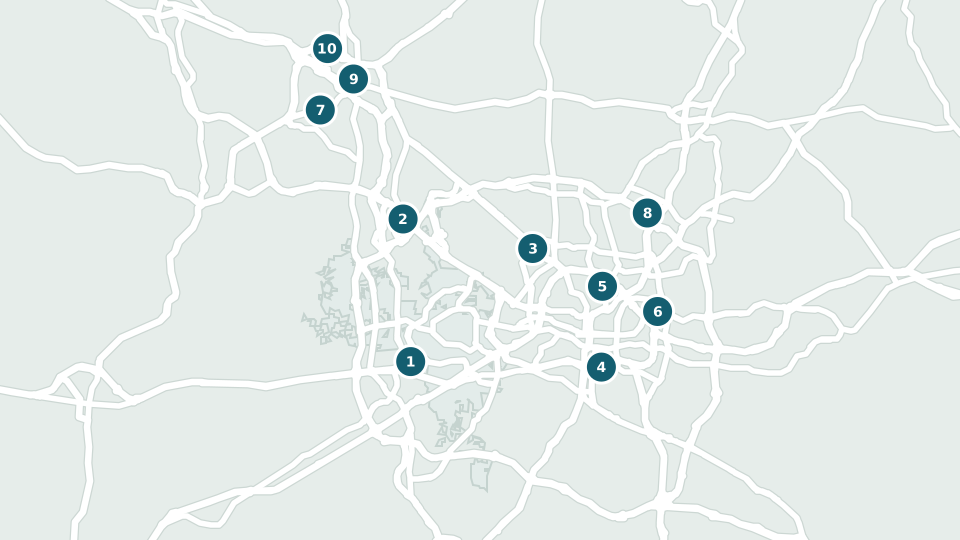
10 options near Cary, NC, nearest first. Compare services and locations, then call to check availability.
Call (888) 209-0266Ask about your optionsThis number connects to our central helpline, not directly to a listed facility.
Check which services are available for your needs.
Confirm payment options and any waiting time directly.
Ask what information the program needs from you.
If you are looking for a methadone clinic in or near Cary, it helps to go into your first contact with a few clear questions. You can ask what an intake appointment involves, what documents or identification you should bring, and how soon a new patient can be seen. It is also fair to ask about the daily dosing schedule, since methadone treatment typically requires regular visits to the clinic, and to ask how the program handles counseling and other support services alongside medication.
If cost or coverage matters to you, ask up front about payment options and what the program accepts. We do not have verified details about specific intake procedures, hours, or services at programs in this area, so the best source for those answers is the program itself. Calling before you visit can save you a trip and give you a sense of how the staff treats people who call with questions.
Call (888) 209-0266
At a methadone clinic, the central service is methadone maintenance or detoxification dosing delivered under medical supervision, typically requiring an in-person visit each day at first. Beyond the medication itself, most clinics build in individual counseling, urine drug screens, and periodic treatment plan reviews, because federal rules tie these to methadone treatment. Some locations expand access with longer hours, telehealth check-ins for therapy, or take-home privileges for stable patients.
A practical way to compare programs is to ask how quickly new patients can start, what the dosing hours are, and whether counseling happens on site or by referral.
Call (888) 209-0266Check which services each program reports offering.
Consider travel distance and whether care is in person or remote.
Ask the program directly about payment and coverage.
Confirm how to contact the program and what to expect.
A first call to a clinic is your chance to learn how the program actually works day to day. Good questions include: How long is the wait for the first dosing appointment? What do I need to bring to intake?
What are your hours, and do you open early enough for me to dose before work? What does treatment cost, and do you take my insurance or Medicaid? Is counseling included, and is it individual or group?
How do you decide when someone qualifies for take-home medication? What is your policy if I travel or miss a day? Clear answers to these questions tell you a lot about whether the program will fit your life.
Across North Carolina, people seeking treatment at methadone clinics typically cover the cost through a mix of private insurance, public programs, and self-payment. Many private health plans include some coverage for medication-assisted treatment, but benefits vary by policy, so it is wise to verify your plan's details before enrolling. Public options such as North Carolina Medicaid may be available to eligible residents, and confirming enrollment and covered services ahead of time can prevent surprises.
Some clinics also offer sliding-scale fees that adjust to income, and self-pay remains an option for those without insurance.
When several clinics are within reach, compare them on the details that shape your daily routine. Check whether dosing hours cover mornings, evenings, weekends, and holidays. Compare fees, accepted insurance, and whether financial help exists for those without coverage.
Ask how quickly new patients start and what the intake process involves. Consider whether counseling, groups, and drug screening happen in one place or require separate trips. Take-home policies differ, so ask each program how stability is judged and when take-home doses become possible.
A clinic that answers these questions clearly and treats you respectfully on the phone is usually a good sign of how you will be treated as a patient.
If you are looking for a methadone clinic in or near Cary, it helps to go into your first contact with a few clear questions.
For any medical emergency, including a suspected overdose, call 911 immediately rather than contacting a clinic. Emergency departments can provide care regardless of your treatment status, and it is important to tell medical staff that methadone or other opioids are involved so they can treat you safely. The national 988 Suicide and Crisis Lifeline is available by call or text for anyone in emotional crisis or concerned about someone who is.
After an emergency, contact your clinic to discuss next steps, such as resuming dosing, but safety always comes first.
If you or someone else is in immediate danger, call 911 now.
Call (888) 209-02662172 North Salem Street, Suite 105, Apex, NC, 27523
Active
4819 Emperor Boulevard, Suite 423, Durham, NC, 27703
Active
6118 Saint Giles Street, Suite 130, Raleigh, NC, 27612
Active
2101 Garner Road, Suite 113, Raleigh, NC, 27610
Active
211 East Six Forks Road, Suite 203, Raleigh, NC, 27609
Active
3911 New Bern Avenue, Unit A, Raleigh, NC, 27610
Active
2670 Durham Chapel Hill Boulevard, Durham, NC, 27707
Active
3209 Gresham Lake Road, Suite 113, Raleigh, NC, 27615
Active
800 North Mangum Street, Suite 400, Durham, NC, 27701
Active
1913 Lamar Street, Durham, NC, 27705
Active
Ask what the intake process involves, what to bring, how soon new patients are seen, what the daily dosing schedule looks like, and what payment options or coverage the program accepts. Each clinic sets its own procedures, so calling ahead is the most reliable way to get accurate answers for your situation.
It varies by program. Some clinics accept walk-in assessments for new patients while others require an appointment. Because we do not have verified intake details for programs in this area, contact the clinic directly to ask about its current process for starting treatment.
At first, yes, most programs require a daily visit so your dose can be given under supervision. As you show progress, federal rules allow clinics to grant take-home medication, starting with a single take-home dose and expanding from there. The schedule varies by patient and by clinic. Ask any program you are considering how quickly take-home privileges can be earned and what the criteria are.
Methadone can be detected by drug tests that specifically screen for it, though standard five-panel tests usually do not include methadone. If your employer tests for methadone, showing documentation that you are in a legitimate treatment program typically satisfies the requirement, since treatment is protected in many situations. It is worth knowing your workplace's testing policy in advance. If questions come up, your clinic can usually provide verification of enrollment.
Yes, transferring between clinics is possible and happens regularly. The usual process involves coordinating between your current clinic and the new one so your dose records move with you, often called a transfer. It is best to arrange this in advance rather than simply stopping, to avoid gaps in medication. Ask the receiving clinic what documentation they need before your first appointment.