 National Methadone Clinics
4427 Emerson Street, Building 4, Jacksonville, FL, 32207
Active
- Outpatient
- Medication-assisted treatment
- Medicaid
- Medicare
City
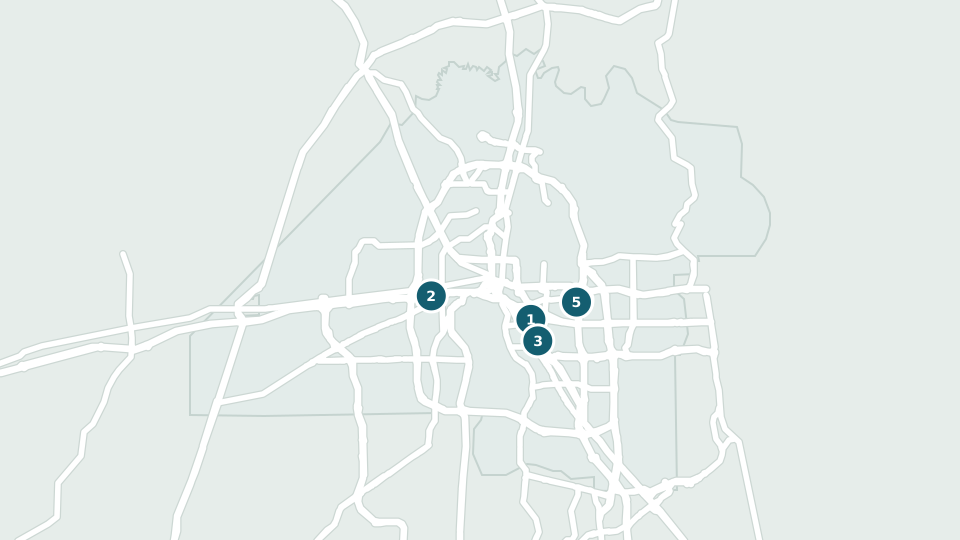
5 options near Jacksonville, FL, nearest first. Compare services and locations, then call to check availability.
Call (888) 209-0266Ask about your optionsThis number connects to our central helpline, not directly to a listed facility.
Check which services are available for your needs.
Confirm payment options and any waiting time directly.
Ask what information the program needs from you.
If you are looking for a methadone clinic in Jacksonville, it helps to know what to ask before your first visit so you can compare programs with confidence. A good starting point is to ask whether the program is an opioid treatment program and whether it offers methadone, buprenorphine, or both, since medication options vary. You can ask how the first appointment works, what an intake assessment covers, and what paperwork or identification to bring.
Payment questions matter too: ask whether the clinic accepts Medicaid, Medicare, or private insurance, and what the self-pay rate is if you are uninsured. Ask whether the program serves adults only or also older adults, whether it treats both men and women, and whether it has services for pregnant women if that applies to you. Beyond medication, many clinics offer counseling or intensive outpatient care, so ask what level of counseling is required or available alongside dosing.
Some programs hold accreditation such as CARF, which you can ask about directly. Finally, ask about clinic hours, dosing schedules, and how take-home privileges are earned over time, since daily visits are common at first. No single question is required, but programs expect these questions and should answer them clearly.
Call (888) 209-0266
Treatment at a methadone clinic usually starts with an intake assessment, followed by a period of daily visits while your dose is adjusted. Some people later qualify for take-home medication, which reduces how often they need to come in. Programs differ in what surrounds the medication itself: some include regular individual counseling, group sessions, or referrals to primary care and mental health services.
Since services vary, it helps to ask each program directly what a typical week looks like, how take-home privileges work, and what happens if you miss a visit.
Call (888) 209-0266Check which services each program reports offering.
Consider travel distance and whether care is in person or remote.
Ask the program directly about payment and coverage.
Confirm how to contact the program and what to expect.
Good first-call questions cover scheduling, cost, and how the program runs day to day. Ask how long the intake process takes and when you could receive your first dose. Ask what hours the dosing window is open and how early you must arrive.
Cover the money side too: what insurance they take, what fees to expect, and whether a payment plan exists. Then ask about the treatment itself, including counseling options, how dose changes are decided, and when take-home medication becomes possible.
Florida residents seeking care at methadone clinics will find that payment for services usually happens through one of a few common routes. Some individuals rely on private insurance, while others use public coverage where they qualify; in either case, confirming eligibility and specific benefits with the plan and the treatment provider beforehand is strongly advised, since coverage terms are not uniform statewide. Beyond insurance, sliding-scale fee structures are widely used to make care more affordable by tying costs to income, and straightforward self-pay options allow patients to cover expenses directly when insurance is not part of the picture.
Start with the kinds of care relevant to your needs.
Check each program’s listed services, location and contact details.
Contact a program to confirm availability, costs and the next step.
Distance and hours matter more than many people expect, because methadone treatment usually requires daily visits at first. Compare how each clinic's schedule fits your work, transportation, and family obligations. Then look at the program itself: how staff handle dose adjustments, what counseling is available, and what the rules are around take-home doses and missed visits.
It is also fair to ask about costs and payment options before you commit. The best choice is often the program you can realistically get to every day.
If you are looking for a methadone clinic in Jacksonville, it helps to know what to ask before your first visit so you can compare programs with confidence.

For any urgent medical situation, call 911 or go to the nearest emergency room. This includes suspected overdose, severe withdrawal symptoms, or any moment when you fear for someone's safety. Many states have Good Samaritan laws that protect people who call for help during an overdose, so the priority is getting assistance quickly rather than worrying about consequences.
Tell emergency responders whatever you know about what was taken, since that information helps them provide the right care.
If you or someone else is in immediate danger, call 911 now.
Call (888) 209-02664427 Emerson Street, Building 4, Jacksonville, FL, 32207
Active
590 Ellis Road South, Building 4, Jacksonville, FL, 32254
Active
5600 Spring Park Road, Suite 101, Jacksonville, FL, 32216
Active
1815 Corporate Square Boulevard, Building 100, Jacksonville, FL, 32216
Active
1900 Corporate Square Drive, 1st Floor, Jacksonville, FL, 32216
Active
Ask whether they are currently accepting new patients, what the intake process involves, which medications they offer, and what payment options they accept, such as Medicaid, Medicare, private insurance, or self-pay. Also ask about clinic hours and how soon you could be seen.
Many programs accept Medicaid, Medicare, or private insurance, and some offer self-pay options, but coverage varies by program. The best approach is to call ahead, confirm which payment methods a specific clinic accepts, and ask what your first visit will cost before you go.
Methadone is a daily medication used to treat opioid dependence by easing withdrawal and reducing cravings, which makes it easier to stop using other opioids. Because it is long-acting, one dose per day can hold withdrawal at bay between visits. Clinics pair the medication with counseling and regular check-ins. How long someone stays in treatment depends on their progress and is discussed with their treatment team.
Early in treatment, yes, daily visits are standard because the dose needs close monitoring. Federal guidelines let clinics grant take-home medication to patients who meet stability requirements, such as time in treatment and negative drug screens. Some patients eventually visit weekly or less. The timeline depends on your progress and your clinic's policies, so it is worth asking about on your first call.
That depends on your coverage and the clinic. Many methadone programs accept Medicaid, and some offer payment plans or fees based on income for people paying out of pocket. Before enrolling, ask the clinic for the full cost picture: intake fees, daily dosing fees, counseling charges, and any drug-screening costs. Comparing those numbers across clinics in your area can save real money.