 National Methadone Clinics
202 South Bentley Street, Marion, IL, 62959
Active
- Outpatient
- Medication-assisted treatment
- Medicaid
- Medicare
City
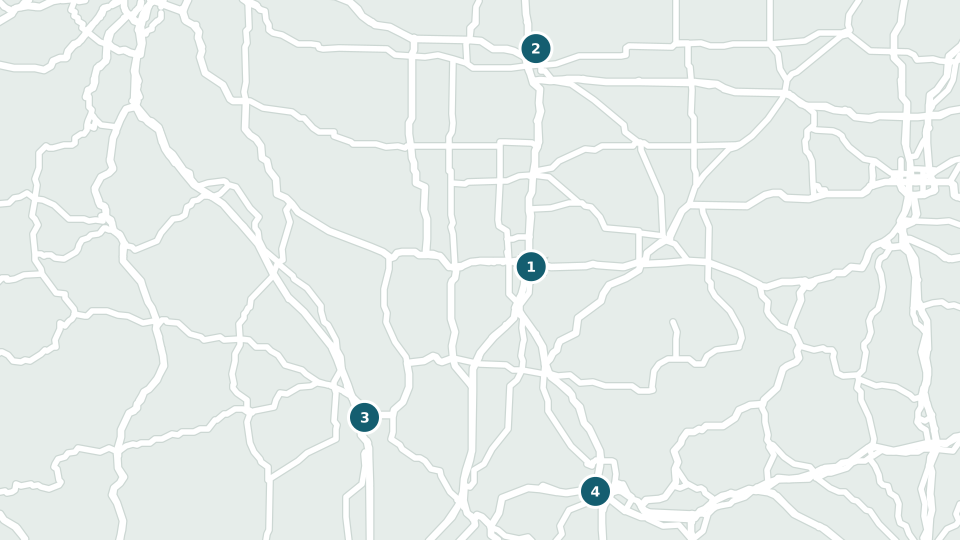
4 options near Marion, IL, nearest first. Compare services and locations, then call to check availability.
Call (888) 209-0266Ask about your optionsThis number connects to our central helpline, not directly to a listed facility.
Check which services are available for your needs.
Confirm payment options and any waiting time directly.
Ask what information the program needs from you.
If you are considering methadone treatment near Marion, Illinois, it helps to know what a first visit usually involves and what questions are worth asking before you commit to a program. When you call a clinic, you can ask whether medication-assisted treatment is part of their regular services, which types of medication they offer, and how soon a new patient can be evaluated. Some programs in this region offer methadone alongside other medications used for opioid use disorder, such as buprenorphine and naltrexone, so it is fair to ask which options a provider uses and how they decide what fits each person.
You can also ask about counseling, group sessions, and whether care is available for both adults and adolescents if that matters for your situation. Programs in and around Marion serve both men and women, and some also treat co-occurring mental health needs, gambling concerns, or alcohol use alongside opioid care, so if any of these apply to you, bring them up early in the conversation. If you rely on Medicaid, ask up front whether the program accepts it, and if cost is a concern, ask what payment arrangements are available before your first appointment.
Accreditation is another reasonable question; some providers hold CARF accreditation, and you can always ask any clinic what certifications they maintain. On a first visit, expect an intake conversation about your health history and substance use, a physical check as needed, and a discussion of a treatment plan that fits your daily schedule. Some programs also offer intensive outpatient care, so if you need more structure than a standard clinic visit, ask whether that level of care is offered.
Write down your questions before you go, take a support person if that helps, and remember that asking a clinic how they handle new patients is a normal and expected part of starting treatment.
Call (888) 209-0266
Treatment at a methadone clinic usually starts with an intake assessment, followed by a period of daily visits while your dose is adjusted. Some people later qualify for take-home medication, which reduces how often they need to come in. Programs differ in what surrounds the medication itself: some include regular individual counseling, group sessions, or referrals to primary care and mental health services.
Since services vary, it helps to ask each program directly what a typical week looks like, how take-home privileges work, and what happens if you miss a visit.
Call (888) 209-0266Check which services each program reports offering.
Consider travel distance and whether care is in person or remote.
Ask the program directly about payment and coverage.
Confirm how to contact the program and what to expect.
Good first-call questions cover scheduling, cost, and how the program runs day to day. Ask how long the intake process takes and when you could receive your first dose. Ask what hours the dosing window is open and how early you must arrive.
Cover the money side too: what insurance they take, what fees to expect, and whether a payment plan exists. Then ask about the treatment itself, including counseling options, how dose changes are decided, and when take-home medication becomes possible.
In Illinois, paying for care at methadone clinics usually involves a combination of insurance and other financial arrangements. Private insurance in general terms is one of the most frequent methods, as many commercial plans include some level of coverage for medication-assisted treatment. Public coverage, where available, is another important resource for residents, and those who qualify are encouraged to check their benefits and confirm eligibility with the relevant program administrators.
Clinics throughout the state commonly provide sliding-scale fees, meaning the amount a person pays is tied to what they can reasonably afford. Additionally, self-pay remains a straightforward option, allowing individuals to fund their treatment directly without going through an insurer.
Start with the kinds of care relevant to your needs.
Check each program’s listed services, location and contact details.
Contact a program to confirm availability, costs and the next step.
Distance and hours matter more than many people expect, because methadone treatment usually requires daily visits at first. Compare how each clinic's schedule fits your work, transportation, and family obligations. Then look at the program itself: how staff handle dose adjustments, what counseling is available, and what the rules are around take-home doses and missed visits.
It is also fair to ask about costs and payment options before you commit. The best choice is often the program you can realistically get to every day.
If you are considering methadone treatment near Marion, Illinois, it helps to know what a first visit usually involves and what questions are worth asking before you commit to a program.

For any urgent medical situation, call 911 or go to the nearest emergency room. This includes suspected overdose, severe withdrawal symptoms, or any moment when you fear for someone's safety. Many states have Good Samaritan laws that protect people who call for help during an overdose, so the priority is getting assistance quickly rather than worrying about consequences.
Tell emergency responders whatever you know about what was taken, since that information helps them provide the right care.
If you or someone else is in immediate danger, call 911 now.
Call (888) 209-0266202 South Bentley Street, Marion, IL, 62959
Active
16338 North IL Highway 37, Mount Vernon, IL, 62864
Active
760 South Kings Highway, Suite F, Cape Girardeau, MO, 63703
Active
2705 Olivet Church Road, Paducah, KY, 42001
Active
Ask whether the program offers medication-assisted treatment, which medications they use for opioid use disorder, and how soon you can be evaluated as a new patient. If you have other needs, such as mental health care, help with alcohol use, or gambling concerns, ask whether the clinic treats those too. If you have Medicaid, confirm they accept it before scheduling.
Some programs in this region treat more than opioid use disorder. Local providers have been confirmed to offer care for co-occurring mental health needs, alcohol use, and gambling concerns, and some serve adolescents as well as adults, so it is worth asking each clinic directly about the full range of services they provide.
Methadone is a daily medication used to treat opioid dependence by easing withdrawal and reducing cravings, which makes it easier to stop using other opioids. Because it is long-acting, one dose per day can hold withdrawal at bay between visits. Clinics pair the medication with counseling and regular check-ins. How long someone stays in treatment depends on their progress and is discussed with their treatment team.
Early in treatment, yes, daily visits are standard because the dose needs close monitoring. Federal guidelines let clinics grant take-home medication to patients who meet stability requirements, such as time in treatment and negative drug screens. Some patients eventually visit weekly or less. The timeline depends on your progress and your clinic's policies, so it is worth asking about on your first call.
That depends on your coverage and the clinic. Many methadone programs accept Medicaid, and some offer payment plans or fees based on income for people paying out of pocket. Before enrolling, ask the clinic for the full cost picture: intake fees, daily dosing fees, counseling charges, and any drug-screening costs. Comparing those numbers across clinics in your area can save real money.
Last updated