 National Methadone Clinics
1 11th Avenue, Suite C-1, Shalimar, FL, 32579
Active
- Outpatient
- Medication-assisted treatment
- Medicaid
- Medicare
City
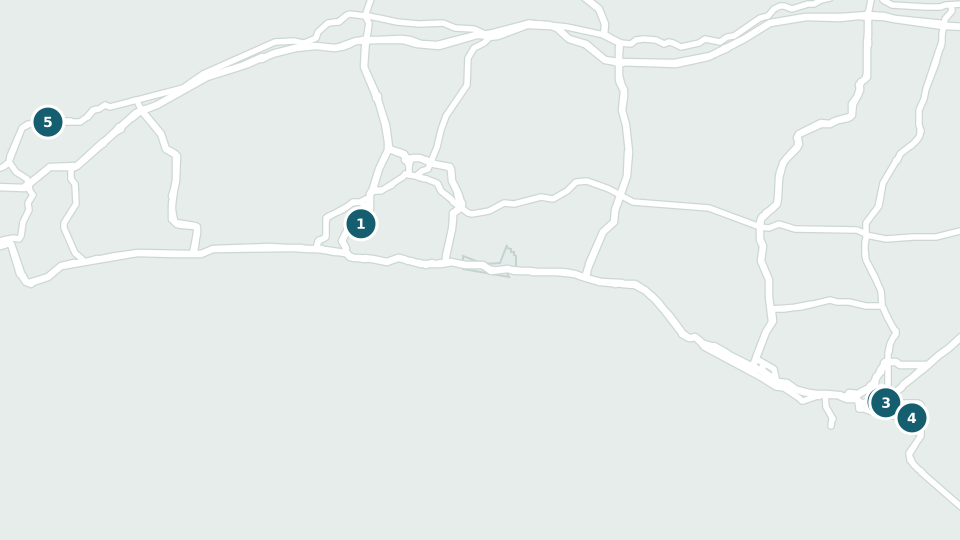
5 options near Miramar Beach, FL, nearest first. Compare services and locations, then call to check availability.
Call (888) 209-0266Ask about your optionsThis number connects to our central helpline, not directly to a listed facility.
Check which services are available for your needs.
Confirm payment options and any waiting time directly.
Ask what information the program needs from you.
When you contact a program near Miramar Beach about medication for opioid use disorder, it helps to have a few questions ready. Ask whether the location operates as an opioid treatment program, since that determines whether medication like methadone can be provided on site. Programs in this part of the Florida Panhandle have been verified to offer outpatient opioid treatment, and at least one area provider also offers co-occurring mental health services for people dealing with both substance use and mental health concerns.
You can also ask which age groups a program serves, because services for adolescents, adults, and seniors are available in the region, though not at every location. Payment is another practical question to raise early: area programs have been confirmed to accept Medicaid, Medicare, and private insurance, and self-pay is listed as an option as well. Before a first visit, ask what identification, insurance information, or health records you should bring, how the intake assessment works, and what the daily dosing schedule would look like so you can plan travel and work around it.
Every program sets its own intake steps, so calling ahead is the simplest way to know exactly what your first appointment will involve.
Call (888) 209-0266
Methadone clinics provide medication-assisted treatment for opioid use disorder through daily, observed dosing at the clinic, which is the core service you can expect wherever you go. Many programs also add counseling and drug screenings as part of the required treatment structure. Some clinics offer extra supports such as take-home doses once you meet federal stability criteria, group therapy, or referrals to medical and mental health care.
When comparing programs, ask exactly which of these pieces are included, how often counseling sessions happen, and what the daily visit schedule looks like, since requirements can differ from one clinic to another.
Call (888) 209-0266Check which services each program reports offering.
Consider travel distance and whether care is in person or remote.
Ask the program directly about payment and coverage.
Confirm how to contact the program and what to expect.
When you call a methadone clinic for the first time, it helps to have a short list ready. Ask how soon you can be admitted and what the intake appointment involves. Ask what the clinic hours are, including weekends and holidays, since daily dosing depends on them.
Find out the cost per visit, which insurances are accepted, and whether a sliding scale or payment plan exists. Ask whether counseling is provided on site, how often you must attend, and what the policy is on take-home doses. Finally, ask what happens if you miss a dose or relapse, so you know the program's rules before you commit.
Florida residents seeking care at methadone clinics will find that payment for services usually happens through one of a few common routes. Some individuals rely on private insurance, while others use public coverage where they qualify; in either case, confirming eligibility and specific benefits with the plan and the treatment provider beforehand is strongly advised, since coverage terms are not uniform statewide. Beyond insurance, sliding-scale fee structures are widely used to make care more affordable by tying costs to income, and straightforward self-pay options allow patients to cover expenses directly when insurance is not part of the picture.
Choosing between nearby methadone clinics often comes down to practical fit rather than prestige. Start with location and hours: daily visits mean a clinic you cannot reach before work or on weekends will strain your life quickly. Next, compare costs and insurance, including whether the clinic accepts Medicaid and whether a payment plan is offered.
Ask about wait times for admission, since faster access to the first dose matters. Look at whether counseling is offered on site and whether the staff seems respectful when you call. Finally, ask current or former patients in your area about their experience, since day-to-day treatment by staff often matters more than any brochure.
When you contact a program near Miramar Beach about medication for opioid use disorder, it helps to have a few questions ready.

If you or someone near you is in immediate danger, such as an overdose, a medical crisis, or thoughts of harming yourself or others, call 911 right away. Emergency responders can provide medical care and transport, and most states have Good Samaritan protections that encourage calling for help during an overdose. If a crisis involves mental health or suicidal thoughts, you can also call or text 988, the national Suicide and Crisis Lifeline, which is free and available at any hour.
Do not wait for a clinic appointment or a scheduled dose time to seek emergency help; emergencies take priority over any treatment program.
If you or someone else is in immediate danger, call 911 now.
Call (888) 209-02661 11th Avenue, Suite C-1, Shalimar, FL, 32579
Active
1530 Harrison Avenue, Panama City, FL, 32405
Active
525 East 15th Street, Panama City, FL, 32405
Active
4000 East 3rd Street, Panama City, FL, 32405
Active
4553 Watkins Street, Milton, FL, 32571
Active
Call ahead and ask whether the program is an opioid treatment program, what payment options it accepts, and what you should bring to a first appointment. Programs in the region have been confirmed to accept Medicaid, Medicare, and private insurance, and to offer self-pay as an option, but coverage varies by location, so confirm details directly.
Ask whether the program treats opioid use disorder with medication, whether it serves your age group, and whether it can also address mental health needs alongside substance use care. Regional programs have been verified to offer outpatient care, co-occurring mental health services, and treatment for adolescents, adults, and seniors, but each program sets its own intake process, so call to confirm before your visit.
A methadone clinic is an outpatient treatment program that provides methadone, a medication used to treat opioid use disorder. You typically visit the clinic once a day to receive your dose under supervision, which helps reduce cravings and withdrawal symptoms. Most programs also include counseling and regular check-ins as part of treatment. Over time, patients who meet stability requirements may qualify for take-home doses.
Yes, many people receiving methadone treatment work full time. Clinics commonly open early so patients can dose before work, and take-home doses can reduce the number of trips once you qualify. Some programs offer evening or weekend hours as well. When choosing a clinic, ask about hours and take-home policies so the program fits your work schedule.
Costs vary widely depending on the clinic, your state, and your insurance. Many clinics accept Medicaid, and some offer sliding-scale fees or payment plans for people paying out of pocket. Fees may be charged per visit, per week, or per month. Before enrolling, ask each clinic for the full cost breakdown and which insurance plans they accept.