 National Methadone Clinics
2770 Davis Boulevard, Suite 90, Naples, FL, 34104
Active
- Outpatient
- Medication-assisted treatment
- Medicaid
- Medicare
City
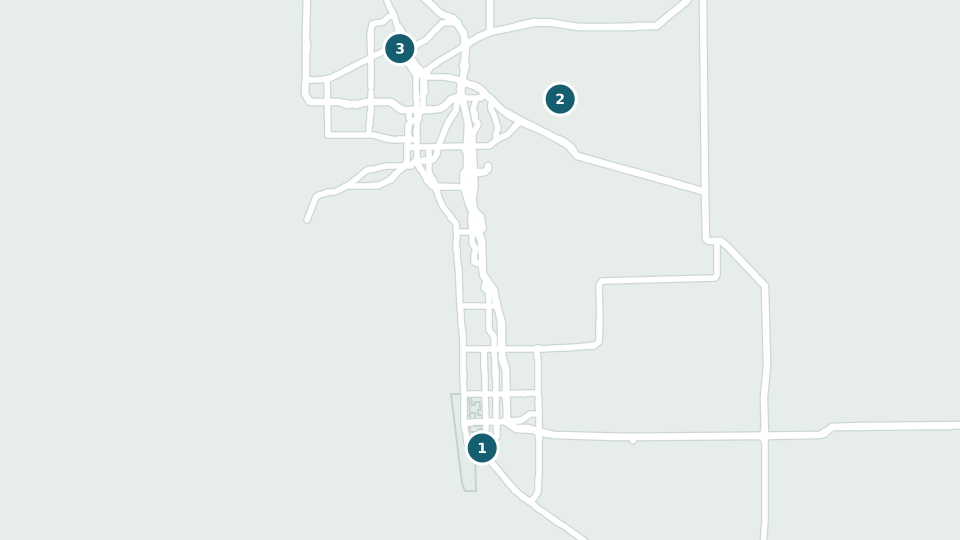
3 options near Naples, FL, nearest first. Compare services and locations, then call to check availability.
Call (888) 209-0266Ask about your optionsThis number connects to our central helpline, not directly to a listed facility.
Check which services are available for your needs.
Confirm payment options and any waiting time directly.
Ask what information the program needs from you.

Treatment at a methadone clinic usually starts with an intake assessment, followed by a period of daily visits while your dose is adjusted. Some people later qualify for take-home medication, which reduces how often they need to come in. Programs differ in what surrounds the medication itself: some include regular individual counseling, group sessions, or referrals to primary care and mental health services.
Since services vary, it helps to ask each program directly what a typical week looks like, how take-home privileges work, and what happens if you miss a visit.
Call (888) 209-0266Check which services each program reports offering.
Consider travel distance and whether care is in person or remote.
Ask the program directly about payment and coverage.
Confirm how to contact the program and what to expect.
Good first-call questions cover scheduling, cost, and how the program runs day to day. Ask how long the intake process takes and when you could receive your first dose. Ask what hours the dosing window is open and how early you must arrive.
Cover the money side too: what insurance they take, what fees to expect, and whether a payment plan exists. Then ask about the treatment itself, including counseling options, how dose changes are decided, and when take-home medication becomes possible.
Patients exploring methadone clinics across Florida typically encounter several ways to cover the cost of treatment. Many clinics work with private health insurance plans, though benefits and network participation differ from one provider to another, so it is essential to verify coverage details directly with both the insurer and the clinic before beginning care. Public insurance options, such as Medicaid, may be accepted at some locations for those who qualify, but eligibility requirements must be confirmed ahead of time.
For individuals without insurance, sliding-scale fees based on income are frequently available, and standard self-pay arrangements let patients pay out of pocket for daily dosing and related services.
Distance and hours matter more than many people expect, because methadone treatment usually requires daily visits at first. Compare how each clinic's schedule fits your work, transportation, and family obligations. Then look at the program itself: how staff handle dose adjustments, what counseling is available, and what the rules are around take-home doses and missed visits.
It is also fair to ask about costs and payment options before you commit. The best choice is often the program you can realistically get to every day.
For any urgent medical situation, call 911 or go to the nearest emergency room.

For any urgent medical situation, call 911 or go to the nearest emergency room. This includes suspected overdose, severe withdrawal symptoms, or any moment when you fear for someone's safety. Many states have Good Samaritan laws that protect people who call for help during an overdose, so the priority is getting assistance quickly rather than worrying about consequences.
Tell emergency responders whatever you know about what was taken, since that information helps them provide the right care.
If you or someone else is in immediate danger, call 911 now.
Call (888) 209-02662770 Davis Boulevard, Suite 90, Naples, FL, 34104
Active
1415 Homestead Road North, Lehigh Acres, FL, 33936
Active
535 Pine Island Road, Suite M, North Fort Myers, FL, 33903
Active
Yes. A medication-based program in the Naples area serves adults and is confirmed to offer both methadone and buprenorphine as treatment options, along with outpatient and intensive outpatient services. It is listed as an opioid treatment program and accepts Medicaid, Medicare, private insurance, and self-payment.
Programs vary in how they are structured, so it is worth asking about visit frequency, counseling expectations, and payment before you arrive. Locally, one program is CARF-accredited and provides services for adults, including pregnant women, with support for co-occurring mental health conditions and referrals through the criminal justice system.
Methadone is a daily medication used to treat opioid dependence by easing withdrawal and reducing cravings, which makes it easier to stop using other opioids. Because it is long-acting, one dose per day can hold withdrawal at bay between visits. Clinics pair the medication with counseling and regular check-ins. How long someone stays in treatment depends on their progress and is discussed with their treatment team.
Early in treatment, yes, daily visits are standard because the dose needs close monitoring. Federal guidelines let clinics grant take-home medication to patients who meet stability requirements, such as time in treatment and negative drug screens. Some patients eventually visit weekly or less. The timeline depends on your progress and your clinic's policies, so it is worth asking about on your first call.
That depends on your coverage and the clinic. Many methadone programs accept Medicaid, and some offer payment plans or fees based on income for people paying out of pocket. Before enrolling, ask the clinic for the full cost picture: intake fees, daily dosing fees, counseling charges, and any drug-screening costs. Comparing those numbers across clinics in your area can save real money.