 National Methadone Clinics
2710 West State Street, New Castle, PA, 16101
Active
- Outpatient
- Medication-assisted treatment
- Medicaid
- Medicare
City
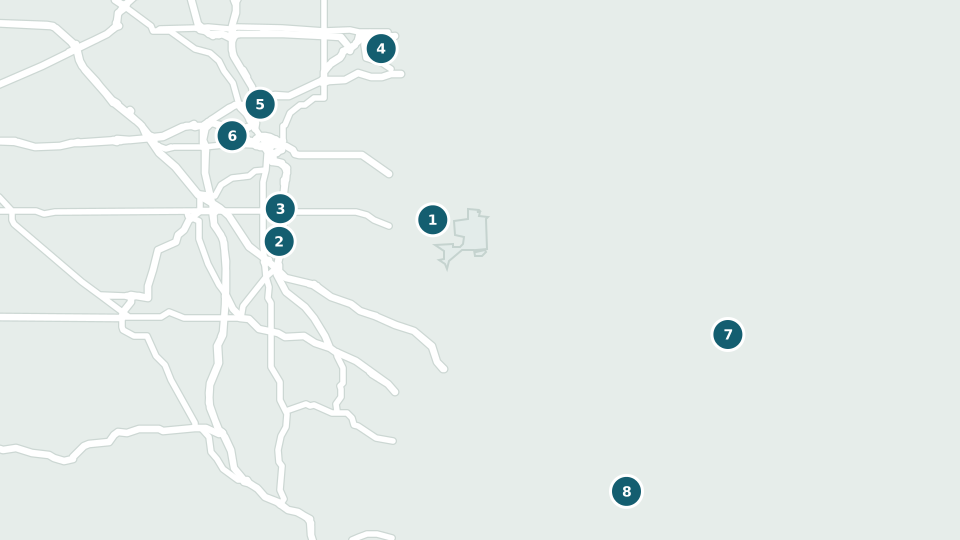
8 options near New Castle, PA, nearest first. Compare services and locations, then call to check availability.
Call (888) 209-0266Ask about your optionsThis number connects to our central helpline, not directly to a listed facility.
Check which services are available for your needs.
Confirm payment options and any waiting time directly.
Ask what information the program needs from you.
When you first contact a methadone clinic near New Castle, you can ask about the intake process and what identification or medical records they need. A typical first visit includes a medical assessment to determine the appropriate treatment plan. One local center, New Castle Comprehensive Treatment Ctr, offers medication-assisted treatment with methadone and buprenorphine, serves both men and women, and is accredited by CARF.
It also provides medication for alcohol use disorder. You can ask if the clinic provides the same services and whether they offer individual or group counseling alongside medication.
Call (888) 209-0266
Methadone care is structured as ongoing outpatient treatment rather than a short stay. In the beginning, the clinic typically sees you each day so the medical staff can adjust your dose safely and watch for problems. As you stabilize, the schedule usually loosens, with earned take-home medication for days you cannot come in.
Alongside the medication, most programs include some form of counseling, and the quality of that counseling is often what separates one clinic from another. When weighing your options, compare how each program handles missed doses, vacation or travel passes, dose changes, and transitions to a different provider if you move.
Call (888) 209-0266Check which services each program reports offering.
Consider travel distance and whether care is in person or remote.
Ask the program directly about payment and coverage.
Confirm how to contact the program and what to expect.
Good first-call questions cover scheduling, requirements, and cost. Ask when the clinic opens for dosing and whether weekend hours differ. Ask what the intake process involves and how long it takes to get admitted.
Ask whether counseling is on site, how often it is required, and whether sessions work around a job. Ask how the clinic awards take-home doses and what its policy is on missed visits. Ask what payment options exist, including insurance plans accepted and any self-pay rate, so you know the commitment before you arrive.
Payment options at methadone clinics in Pennsylvania include private insurance, public coverage, sliding-scale fees, and self-pay. Private insurance plans are frequently accepted, but coverage details depend on the individual policy and clinic agreement. Public insurance like Medicaid or Medicare may be available at participating clinics; check eligibility directly.
Sliding-scale payment plans adjust costs according to income, making treatment more affordable. Self-pay is another straightforward method for those uninsured. To confirm which payment methods are accepted, reach out to the clinic for current policies.
Compare nearby programs on three practical fronts: access, structure, and support. Access means dosing hours, location relative to your routine, and how quickly new patients can start. Structure means the daily or weekly schedule, how take-home doses work, and what happens if you travel or miss a day.
Support means counseling availability, whether staff help with referrals to other services, and whether the clinic communicates respectfully with patients. There is no single best clinic for everyone; the right choice is the one whose schedule, rules, and atmosphere you can realistically live with for months or years.
When you first contact a methadone clinic near New Castle, you can ask about the intake process and what identification or medical records they need.

Emergencies always come first. Call 911 for overdose, serious injury, or any medical problem that cannot wait for a clinic visit, and tell responders what medications are involved, including methadone, so they can respond appropriately. If you cannot reach your clinic during a crisis, an urgent care center or emergency room can contact them for you.
For emotional crises, the 988 line connects you with trained counselors any time of day. Once the immediate danger has passed, let your clinic know what happened so they can adjust your care if needed.
If you or someone else is in immediate danger, call 911 now.
Call (888) 209-02662710 West State Street, New Castle, PA, 16101
Active
900 Sahara Trail, Youngstown, OH, 44514
Active
930 Trailwood Drive, Youngstown, OH, 44512
Active
1914 Mercer Avenue, Farrell, PA, 16121
Active
3622 Belmont Avenue, Suite 21, Youngstown, OH, 44505
Active
527 North Meridian Road, Youngstown, OH, 44509
Active
160 Hindman Road, Butler, PA, 16001
Active
301 Smith Drive, Suite 3, Cranberry Township, PA, 16066
Active
These lists use only what the 8 active facilities listed for New Castle report to SAMHSA's FindTreatment.gov. No facility pays to be included or can ask to be moved. Reporting more options is not a measure of quality, outcomes or suitability for any person. A missing option means the facility did not report it to the source, not that it is not offered. Call the facility to confirm everything before relying on it.
How this list is made: each facility scores one point for each of these 7 payment and cost-assistance options it reports to SAMHSA's FindTreatment.gov (Medicaid; Medicare; Private health insurance; Military insurance (TRICARE); Cash or self-payment; Sliding fee scale; Payment assistance). A facility needs at least 4 to appear. Facilities are shown from the highest count to the lowest; facilities with the same count are in alphabetical order, which has no other meaning. Up to 10 are shown.
How this list is made: each facility scores one point for each of these 4 medications used in treatment it reports to SAMHSA's FindTreatment.gov (Buprenorphine; Methadone; Naltrexone; Medication for alcohol use disorder). A facility needs at least 2 to appear. Facilities are shown from the highest count to the lowest; facilities with the same count are in alphabetical order, which has no other meaning. Up to 10 are shown.
How this list is made: each facility scores one point for each of these 12 age groups and client groups accepted it reports to SAMHSA's FindTreatment.gov (Adolescents; Young adults; Adults; Seniors; Pregnant or postpartum women; Adult women; Adult men; Veterans; Active duty military; Criminal justice clients; Clients who have experienced trauma; Co-occurring mental and substance use disorders). A facility needs at least 5 to appear. Facilities are shown from the highest count to the lowest; facilities with the same count are in alphabetical order, which has no other meaning. Up to 10 are shown.
You will typically need a valid photo ID, your insurance card if you have coverage, and a list of any current medications. The clinic may also ask for prior medical records or a treatment history. It is best to call ahead and confirm exactly what they require for the intake assessment.
Yes, at least one local option, New Castle Comprehensive Treatment Ctr, provides medication for alcohol use disorder in addition to methadone and buprenorphine for opioid use. You should confirm directly with any clinic whether they offer this service.
Pregnant patients are typically encouraged to continue methadone treatment rather than quit abruptly, because untreated opioid use disorder carries greater risks for both the patient and the pregnancy. A newborn exposed to methadone can have withdrawal symptoms after birth, which hospital staff know how to manage. Make sure your obstetrician and your clinic coordinate care throughout the pregnancy.
Your first day centers on paperwork and evaluation. You will meet with staff who review your medical and substance use history, and the medical team decides on a starting dose, which is deliberately low for safety. You usually take that dose on site and wait so staff can check on you. Call ahead to confirm what documents to bring, since requirements vary between clinics.
Treatment length varies from person to person. Some patients taper off after months of stability; others continue for years because the medication prevents relapse and lets them live normally. Coming off too fast is one of the main reasons people return to opioid use, so any decision to reduce your dose should be gradual and guided by your treatment team. You are not locked into a timeline.
Last updated