 National Methadone Clinics

Spokane Regional Health District
64 miles away312 West 8th Avenue, Spokane, WA, 99204
Active
City
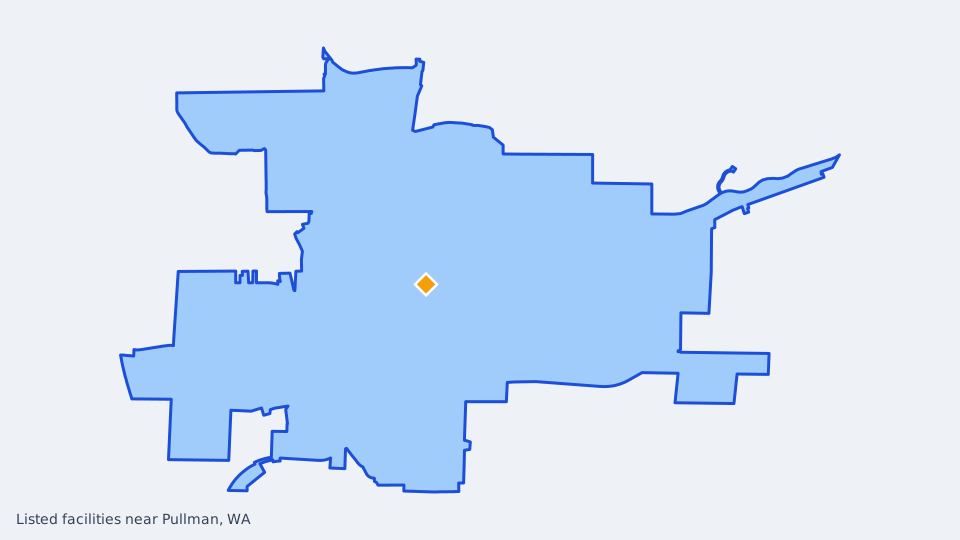
Nothing is listed in Pullman, WA yet. The nearest options and nearby cities are below.
Call (888) 209-0266Ask about your optionsThis number connects to our central helpline, not directly to a listed facility.
Check which services are available for your needs.
Confirm payment options and any waiting time directly.
Ask what information the program needs from you.
When you call a methadone clinic to ask about starting care, you can expect to talk about what medications are available and what will happen during your first appointment. You can ask what documents to bring and whether the program offers outpatient treatment. It is a good idea to confirm the clinic serves adults and, if needed, young adults or older adults.
If you have a preference for a specific gender program, ask about that as well. If you take medication for a co-occurring substance use or alcohol use concern, you can ask whether the clinic provides medication for that as well. You can also ask about payment options including self-pay, private insurance, Medicaid, Medicare, TRICARE, and what it means to use those.
For a first visit, you can expect a medical review before any medication is given.
Call (888) 209-0266
Methadone clinics provide one specific type of care: medication-assisted treatment for opioid use disorder. Methadone itself is a daily medication that reduces cravings and withdrawal symptoms, and federal rules require it to be dispensed at a licensed clinic rather than a regular pharmacy. Some programs are outpatient-only, while others also offer counseling, drug testing, and referrals to doctors who prescribe other medications like buprenorphine.
When comparing programs, ask whether counseling is included on site, how often you must visit, and whether the clinic can connect you to primary care or mental health services if you need more support.
Call (888) 209-0266Check which services each program reports offering.
Consider travel distance and whether care is in person or remote.
Ask the program directly about payment and coverage.
Confirm how to contact the program and what to expect.
When you call a methadone clinic for the first time, ask how soon a new patient can be seen and what you need to bring. Ask about dosing hours on weekdays and weekends, and how the clinic handles missed doses. Ask what the intake evaluation includes and whether there is a waitlist.
It also helps to ask how take-home doses are earned, what counseling is required and when it happens, and what happens if you need to travel. Finally, ask about payment: what insurance they accept or what the self-pay cost is per visit or per week.
Throughout Washington, methadone clinics commonly accept a variety of payment methods to ensure access to opioid treatment. Many facilities work with private health insurance plans, though you should verify coverage with your specific provider before your visit. Publicly funded insurance, including Washington’s Apple Health (Medicaid), may be accepted, but eligibility requirements vary, so confirm directly with the clinic.
Sliding-scale fees based on your household income are often available, helping to reduce costs for those who qualify. Self-pay options are also offered, typically with set rates per visit or per week, making methadone clinics accessible even without insurance.
Start with the basics that affect daily life: how far the clinic is from home or work, what time dosing hours open, and whether the schedule fits around a job or childcare. Then ask about the intake process, including how soon you can start treatment and what paperwork or payment you need on the first day. Compare counseling options next, since programs vary in whether therapy is individual, group, or both, and whether it is required with every visit.
Finally, ask how the clinic handles take-home doses, schedule conflicts, and referrals to other doctors, because these details shape how sustainable the program will be for you.
When you call a methadone clinic to ask about starting care, you can expect to talk about what medications are available and what will happen during your first appointment.

If you or someone near you is in immediate danger, call 911 right away. Emergency responders can help regardless of the situation, and you do not need to be certain it is an emergency before calling. If you are worried about an overdose, many communities also provide naloxone, a medication that can reverse opioid overdoses, and emergency dispatchers can guide you through using it while help is on the way.
For methadone patients specifically, it is important that emergency staff know about methadone treatment, so mention it openly if you or a loved one is being treated.
If you or someone else is in immediate danger, call 911 now.
Call (888) 209-0266No verified facilities within 50 miles of Pullman, WA. The nearest listed facilities are shown below.
312 West 8th Avenue, Spokane, WA, 99204
Active
4305 East Trent Avenue, Spokane, WA, 99212
Active
82 East Francis Avenue, Spokane, WA, 99208
Active
Contact us for more information.
You can ask about their process for determining the right starting dose, the daily schedule for picking up medication, and how often you will need to come in for visits. It is a good idea to ask which payment options they accept.
Many clinics offer services for adults and young adults, and some provide support for co-occurring mental health conditions. It is best to call the clinic you are interested in to confirm that they offer the age-specific programs you need.
Yes, methadone is approved for use during pregnancy and is considered a standard approach to treating opioid use disorder in pregnant patients. Stopping opioids suddenly during pregnancy can be harmful, and methadone helps stabilize both the patient and the pregnancy. Babies exposed to methadone may need monitoring after birth for withdrawal symptoms, so let your prenatal care team know about your treatment so they can plan accordingly.
The first visit usually involves an intake assessment, paperwork, a medical history, and a physical check such as bloodwork or a drug screen. If you are admitted, you receive your first dose the same day, and medical staff watch how you respond before you leave. Expect the process to take a few hours, and ask in advance what identification, payment, or insurance details you should bring.
How long you stay on methadone is a personal decision made with your treatment team. Some people use it for a year or two, while others stay on it for many years because it keeps them stable. Research generally supports longer treatment periods, and reducing the dose too quickly raises the risk of relapse. There is no requirement to stop by a certain date, so the timeline should reflect your progress and goals.
Last updated