 National Methadone Clinics
11902 Rosecrans Boulevard, Norwalk, CA, 90650
Active
- Outpatient
- Detox
- Medication-assisted treatment
- Medicaid
City
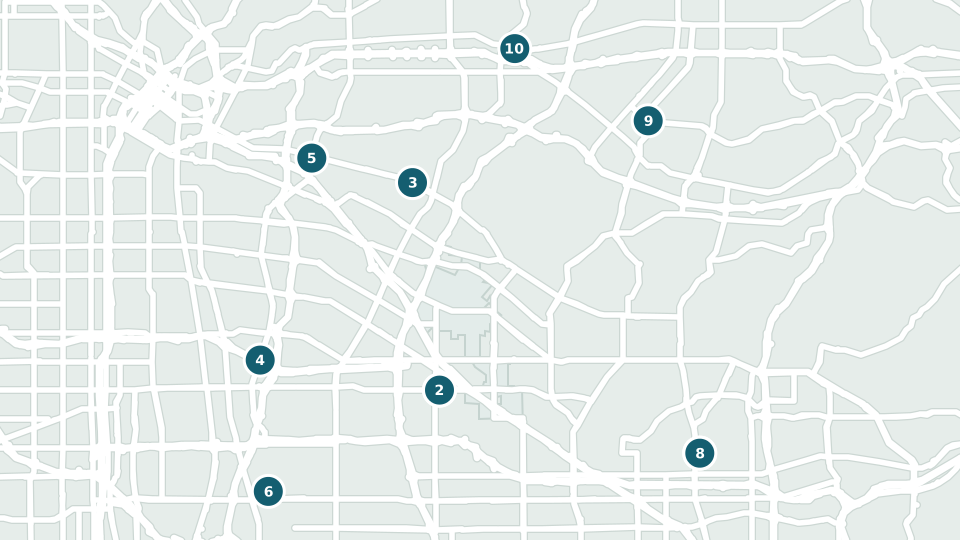
10 options near Santa Fe Springs, CA, nearest first. Compare services and locations, then call to check availability.
Call (888) 209-0266Ask about your optionsThis number connects to our central helpline, not directly to a listed facility.
Check which services are available for your needs.
Confirm payment options and any waiting time directly.
Ask what information the program needs from you.
When you call a methadone program in or near Santa Fe Springs, you can ask about their intake process. Most clinics require you to come in person for an assessment before you start medication. During that first visit, a counselor or nurse will likely talk with you about your medical history, the substances you have been using, and what you hope to get from treatment.
You will probably give a urine sample. A clinician will then determine a starting dose of methadone, which you take under observation at the clinic. The dose is adjusted over the first few days so that you feel stable—meaning no withdrawal symptoms and no feeling of being high.
Be prepared to visit daily at first, though stable patients may eventually earn take-home doses. The program 'Tarzana Treatment Centers' in Long Beach is an example of a facility that provides non-detox medication-assisted treatment (source: California DHCS). Ask any clinic you call whether they offer the same kind of outpatient methadone maintenance and what their hours are for new intakes.
Call (888) 209-0266
Methadone care is structured as ongoing outpatient treatment rather than a short stay. In the beginning, the clinic typically sees you each day so the medical staff can adjust your dose safely and watch for problems. As you stabilize, the schedule usually loosens, with earned take-home medication for days you cannot come in.
Alongside the medication, most programs include some form of counseling, and the quality of that counseling is often what separates one clinic from another. When weighing your options, compare how each program handles missed doses, vacation or travel passes, dose changes, and transitions to a different provider if you move.
Call (888) 209-0266Check which services each program reports offering.
Consider travel distance and whether care is in person or remote.
Ask the program directly about payment and coverage.
Confirm how to contact the program and what to expect.
Good first-call questions cover scheduling, requirements, and cost. Ask when the clinic opens for dosing and whether weekend hours differ. Ask what the intake process involves and how long it takes to get admitted.
Ask whether counseling is on site, how often it is required, and whether sessions work around a job. Ask how the clinic awards take-home doses and what its policy is on missed visits. Ask what payment options exist, including insurance plans accepted and any self-pay rate, so you know the commitment before you arrive.
When paying for methadone clinics in California, most facilities accept a range of private insurance plans. Patients are advised to check with their specific provider about coverage for substance use treatment. Public options like Medi-Cal often include methadone maintenance therapy, but eligibility must be confirmed directly with the clinic.
Sliding-scale fees are commonly available based on income, and self-pay arrangements are typically accepted for those without insurance. It is essential to verify acceptance of any specific insurance or program beforehand.
Compare nearby programs on three practical fronts: access, structure, and support. Access means dosing hours, location relative to your routine, and how quickly new patients can start. Structure means the daily or weekly schedule, how take-home doses work, and what happens if you travel or miss a day.
Support means counseling availability, whether staff help with referrals to other services, and whether the clinic communicates respectfully with patients. There is no single best clinic for everyone; the right choice is the one whose schedule, rules, and atmosphere you can realistically live with for months or years.
When you call a methadone program in or near Santa Fe Springs, you can ask about their intake process.

Emergencies always come first. Call 911 for overdose, serious injury, or any medical problem that cannot wait for a clinic visit, and tell responders what medications are involved, including methadone, so they can respond appropriately. If you cannot reach your clinic during a crisis, an urgent care center or emergency room can contact them for you.
For emotional crises, the 988 line connects you with trained counselors any time of day. Once the immediate danger has passed, let your clinic know what happened so they can adjust your care if needed.
If you or someone else is in immediate danger, call 911 now.
Call (888) 209-026611902 Rosecrans Boulevard, Norwalk, CA, 90650
Active
11902 Rosecrans Avenue, Norwalk, CA, 90650
Active
8207 Whittier Boulevard, Pico Rivera, CA, 90660
Active
11682 Atlantic Boulevard, Lynwood, CA, 90262
Active
942 South Atlantic Boulevard, Los Angeles, CA, 90022
Active
5190 Atlantic Avenue, Long Beach, CA, 90806
Active
218 East Commonwealth Avenue, Fullerton, CA, 92832
Active
218 East Commonwealth Avenue, Fullerton, CA, 92832
Active
15229 Amar Road, La Puente, CA, 91744
Active
11041 East Valley Boulevard, El Monte, CA, 91731
Active
A typical first visit includes an intake assessment where staff will ask about your health history and substance use. You will likely provide a urine sample and may be seen by a medical provider who determines your starting dose. Most programs require you to come in daily for directly observed medication until you earn take-home privileges. Bring a valid photo ID and a list of any medications you are currently taking.
Methadone maintenance is a long-term treatment approach, not a quick fix. Patients often stay in the program for months or years. The goal is to reach a stable dose that stops withdrawal and cravings without causing intoxication. Your counselor and doctor will work with you to decide when or if a gradual dose reduction is appropriate. There is no set timeline—the focus is on your recovery and stability.
Pregnant patients are typically encouraged to continue methadone treatment rather than quit abruptly, because untreated opioid use disorder carries greater risks for both the patient and the pregnancy. A newborn exposed to methadone can have withdrawal symptoms after birth, which hospital staff know how to manage. Make sure your obstetrician and your clinic coordinate care throughout the pregnancy.
Your first day centers on paperwork and evaluation. You will meet with staff who review your medical and substance use history, and the medical team decides on a starting dose, which is deliberately low for safety. You usually take that dose on site and wait so staff can check on you. Call ahead to confirm what documents to bring, since requirements vary between clinics.
Treatment length varies from person to person. Some patients taper off after months of stability; others continue for years because the medication prevents relapse and lets them live normally. Coming off too fast is one of the main reasons people return to opioid use, so any decision to reduce your dose should be gradual and guided by your treatment team. You are not locked into a timeline.
Last updated