 National Methadone Clinics
1813 Harwood Court, Hurst, TX, 76054
Active
- Outpatient
- Detox
- Medication-assisted treatment
- Medicare
City
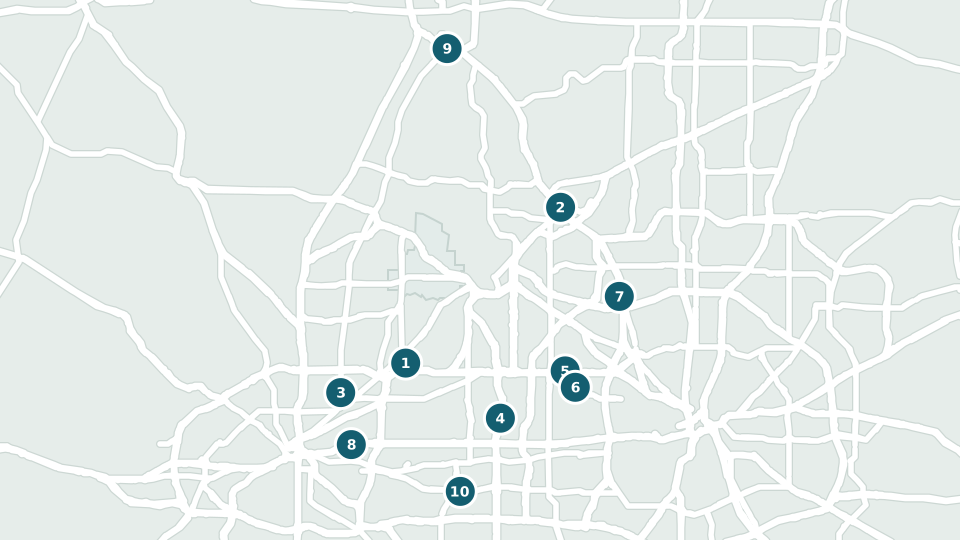
10 options near Southlake, TX, nearest first. Compare services and locations, then call to check availability.
Call (888) 209-0266Ask about your optionsThis number connects to our central helpline, not directly to a listed facility.
Check which services are available for your needs.
Confirm payment options and any waiting time directly.
Ask what information the program needs from you.
When you first contact a program, it's okay to ask what their typical daily schedule looks like and whether they offer medication dosing at certain hours. You can ask if they have a counselor you will meet with regularly and how often appointments are required. Some clinics may offer additional services like individual or group counseling, but you should confirm what's included in their program.
You may also want to ask about the process for starting medication and if there's an intake assessment to determine the right dose for you. Knowing ahead of time what your first visit will involve can help you feel more prepared.
Call (888) 209-0266
Treatment at a methadone clinic usually starts with an intake assessment, followed by a period of daily visits while your dose is adjusted. Some people later qualify for take-home medication, which reduces how often they need to come in. Programs differ in what surrounds the medication itself: some include regular individual counseling, group sessions, or referrals to primary care and mental health services.
Since services vary, it helps to ask each program directly what a typical week looks like, how take-home privileges work, and what happens if you miss a visit.
Call (888) 209-0266Check which services each program reports offering.
Consider travel distance and whether care is in person or remote.
Ask the program directly about payment and coverage.
Confirm how to contact the program and what to expect.
Good first-call questions cover scheduling, cost, and how the program runs day to day. Ask how long the intake process takes and when you could receive your first dose. Ask what hours the dosing window is open and how early you must arrive.
Cover the money side too: what insurance they take, what fees to expect, and whether a payment plan exists. Then ask about the treatment itself, including counseling options, how dose changes are decided, and when take-home medication becomes possible.
When seeking methadone clinics in Texas, understanding payment methods is crucial for continuous care. The most common route is private insurance, where you should verify not only that the clinic accepts your carrier but also that your plan covers medication-assisted treatment (MAT) and any counseling or lab work—deductibles and co-pays can apply. For those with limited income, public programs such as Texas Medicaid or Medicare may be accepted by some clinics, but coverage criteria vary by plan and region, so you must contact the clinic’s billing department and your plan administrator to confirm eligibility and any pre-authorization requirements.
Sliding-scale fees are another frequent option, letting you pay based on your earnings, which can make treatment more affordable. If you lack insurance, self-pay is straightforward: clinics publish per-visit or per-dose rates, though these can be substantial. To avoid surprises, ask each clinic for a written estimate, ask about financial assistance or grants, and always reconfirm payment policies before your first appointment, as they differ across Texas.
Start with the kinds of care relevant to your needs.
Check each program’s listed services, location and contact details.
Contact a program to confirm availability, costs and the next step.
Distance and hours matter more than many people expect, because methadone treatment usually requires daily visits at first. Compare how each clinic's schedule fits your work, transportation, and family obligations. Then look at the program itself: how staff handle dose adjustments, what counseling is available, and what the rules are around take-home doses and missed visits.
It is also fair to ask about costs and payment options before you commit. The best choice is often the program you can realistically get to every day.
When you first contact a program, it's okay to ask what their typical daily schedule looks like and whether they offer medication dosing at certain hours.

For any urgent medical situation, call 911 or go to the nearest emergency room. This includes suspected overdose, severe withdrawal symptoms, or any moment when you fear for someone's safety. Many states have Good Samaritan laws that protect people who call for help during an overdose, so the priority is getting assistance quickly rather than worrying about consequences.
Tell emergency responders whatever you know about what was taken, since that information helps them provide the right care.
If you or someone else is in immediate danger, call 911 now.
Call (888) 209-02661813 Harwood Court, Hurst, TX, 76054
Active
1850 LakePointe Drive, Suite 400, Lewisville, TX, 75057
Active
3529 Denton Highway, Suite D, Haltom City, TX, 76117
Active
2100 North State Highway 360, Suite 1904, Grand Prairie, TX, 75050
Active
2425 Texas Drive, Irving, TX, 75062
Active
1116 West Pioneer Drive, Irving, TX, 75061
Active
2307 Springlake Road, Suite 500, Dallas, TX, 75234
Active
4801 Brentwood Stair Road, Suite 404, Fort Worth, TX, 76103
Active
621 Londonderry Lane, Denton, TX, 76205
Active
124 West Pioneer Parkway, Suite 120, Arlington, TX, 76010
Active
Methadone is a medication approved by the FDA for the treatment of opioid use disorder. It works by binding to the same receptors in the brain that opioids target, reducing cravings and withdrawal symptoms without producing a high when taken as prescribed. It is dispensed daily at a certified clinic, and the dose is adjusted over time based on your individual needs.
You can contact a clinic directly to ask which insurance plans they accept. It's also a good idea to call your insurance provider to verify coverage for methadone treatment and any associated counseling or medical visits. Some clinics may offer sliding-scale fees or other payment options, but this information is not confirmed here and should be verified with the program.
Methadone is a daily medication used to treat opioid dependence by easing withdrawal and reducing cravings, which makes it easier to stop using other opioids. Because it is long-acting, one dose per day can hold withdrawal at bay between visits. Clinics pair the medication with counseling and regular check-ins. How long someone stays in treatment depends on their progress and is discussed with their treatment team.
Early in treatment, yes, daily visits are standard because the dose needs close monitoring. Federal guidelines let clinics grant take-home medication to patients who meet stability requirements, such as time in treatment and negative drug screens. Some patients eventually visit weekly or less. The timeline depends on your progress and your clinic's policies, so it is worth asking about on your first call.
That depends on your coverage and the clinic. Many methadone programs accept Medicaid, and some offer payment plans or fees based on income for people paying out of pocket. Before enrolling, ask the clinic for the full cost picture: intake fees, daily dosing fees, counseling charges, and any drug-screening costs. Comparing those numbers across clinics in your area can save real money.
Last updated