 National Methadone Clinics
1227 South 9th Street, Springfield, IL, 62703
Active
- Outpatient
- Detox
- Medication-assisted treatment
- Medicaid
City
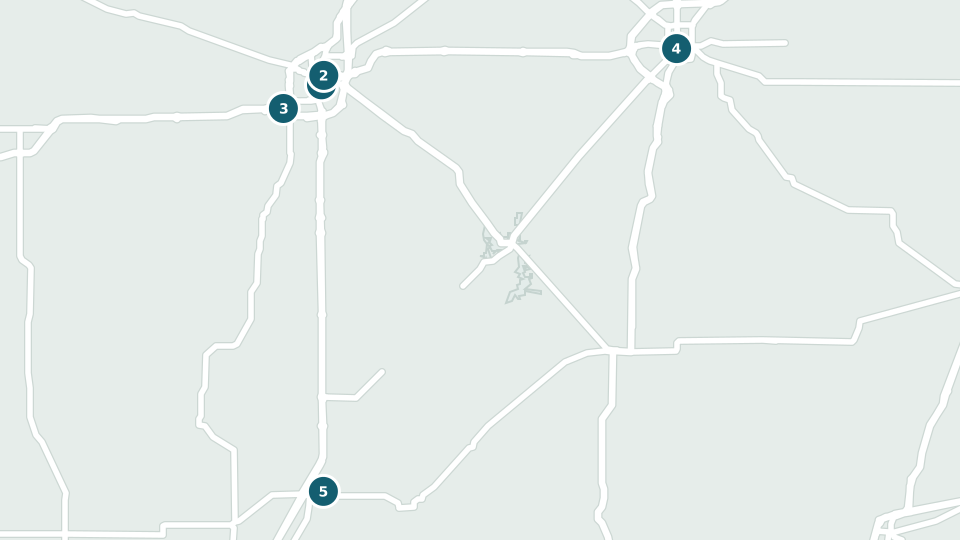
5 options near Taylorville, IL, nearest first. Compare services and locations, then call to check availability.
Call (888) 209-0266Ask about your optionsThis number connects to our central helpline, not directly to a listed facility.
Check which services are available for your needs.
Confirm payment options and any waiting time directly.
Ask what information the program needs from you.
When you contact a program that offers methadone treatment, it helps to have a few questions ready. Ask what intake looks like, what documents or identification to bring, and how soon a first appointment might be scheduled. You can also ask which services are offered on site, such as counseling or care for co-occurring mental health needs, and whether the program serves adults, women, and men.
If you have coverage, ask whether the program accepts it; some programs in the surrounding area are confirmed to accept Medicaid and Medicare, so it is worth checking what each location takes. If you or someone in your care is involved with the criminal justice system or connected to the military, ask whether the program has services for those situations. Programs may also offer opioid withdrawal support, so ask how that fits into the first stages of care.
Finally, ask about hours, transportation, and how family members can be involved if you want that support.
Call (888) 209-0266
Methadone clinics provide medication for opioid use disorder through what is often called opioid treatment programs. At these programs, methadone is dispensed daily on-site, and you typically take your dose at the clinic under supervision, especially in the early weeks of treatment. As you show stability over time, some programs allow take-home doses for certain days.
Many clinics also pair the medication with counseling and drug testing as part of a structured treatment plan. Because rules for take-home doses and program requirements vary, it helps to ask how each clinic structures its day-to-day schedule and what you can expect over the first few months.
Call (888) 209-0266Check which services each program reports offering.
Consider travel distance and whether care is in person or remote.
Ask the program directly about payment and coverage.
Confirm how to contact the program and what to expect.
When you call a methadone clinic for the first time, it helps to have a few questions ready. Ask how soon you can start treatment and whether there is a wait for an intake appointment. Ask what you need to bring, such as identification or insurance information, and what the assessment involves.
Ask about the daily dosing schedule and how the clinic handles weekends and holidays. It also helps to ask about fees, whether they accept your insurance, and what happens if you need to travel or miss a dose. Finally, ask how counseling fits into the program and who you would talk to about concerns once you are enrolled.
People seeking treatment at methadone clinics in Illinois typically cover costs through several common channels. Many rely on private health insurance plans, which frequently include behavioral health and substance use disorder benefits, though coverage details can differ significantly between policies. Public options such as Medicaid are widely used across the state and often play a major role in funding opioid treatment services.
Because program rules and provider participation vary, individuals should always confirm their eligibility and verify what their specific plan covers before beginning care. For those without insurance, many clinics offer sliding-scale fees that adjust the cost of treatment based on income and household size, and self-pay arrangements are also available for those who prefer to pay out of pocket.
Start with the kinds of care relevant to your needs.
Check each program’s listed services, location and contact details.
Contact a program to confirm availability, costs and the next step.
When you compare nearby methadone clinics, start with the practical details that affect daily life. Ask about dosing hours, since you may need to visit in person each day at first. Check whether the clinic accepts your insurance, offers a sliding scale fee, or works with your state's funding programs.
Find out how long intake takes and whether there is a waiting list, because starting treatment sooner can matter. Also ask about counseling options, transportation access, and what the clinic requires for take-home doses later in treatment. A clinic that fits your schedule and budget is usually easier to stick with long term.
When you contact a program that offers methadone treatment, it helps to have a few questions ready.

If you or someone else is in immediate danger, call 911 right away. That includes any overdose, severe withdrawal, or a medical crisis. You can also call or text 988 for the Suicide and Crisis Lifeline if you or someone you know is struggling emotionally.
Naloxone can reverse an opioid overdose, and many pharmacies sell it without a prescription. If you are already in treatment and a crisis comes up, tell clinic staff so they can help you figure out next steps.
If you or someone else is in immediate danger, call 911 now.
Call (888) 209-02661227 South 9th Street, Springfield, IL, 62703
Active
120 North 11th Street, Springfield, IL, 62703
Active
3535 Mayflower Boulevard, Springfield, IL, 62711
Active
151 North Main Street, Decatur, IL, 62523
Active
805 Saint Francis Way, Litchfield, IL, 62056
Active
Call ahead and ask about intake steps, hours, and what to bring, since details vary by program. Many programs will walk you through what your first visit involves, and programs in the broader area may accept Medicaid and Medicare, so it is worth confirming coverage when you call.
You typically do not need a referral to contact a program; you can call directly to ask about intake, eligibility, and scheduling. It is a good idea to ask about costs, coverage, and how soon an intake appointment is available when you reach out.
You usually start by calling the clinic or walking in to ask about intake. Most programs begin with an assessment, a review of your health history, and a discussion of your opioid use. After that, a provider determines your starting dose. The first doses are taken at the clinic, and you return daily for dosing at the beginning.
Plan for a daily visit at first, since methadone is dispensed on-site and usually taken under supervision. Clinics typically open early, often before 8 a.m., so people can dose before work. Some also offer evening hours or weekend schedules. Ask each clinic about its exact hours and how they handle holidays.
As you progress, clinics can allow take-home doses for some days, so you do not have to come in every single day. Federal rules let stable patients earn take-home doses over time, but each clinic has its own requirements for counseling attendance and drug testing. Ask how the clinic decides when someone is ready and what its policy is if you miss a visit.
Last updated