 National Methadone Clinics
1010 East West Maple Road, Suite 200, Walled Lake, MI, 48390
Active
- Outpatient
- Detox
- Medication-assisted treatment
- Medicaid
City
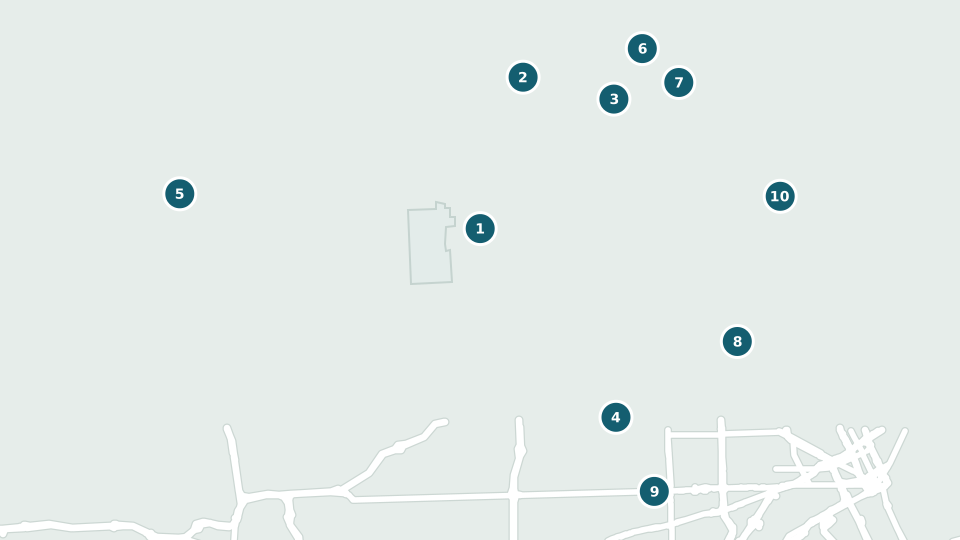
10 options near Wixom, MI, nearest first. Compare services and locations, then call to check availability.
Call (888) 209-0266Ask about your optionsThis number connects to our central helpline, not directly to a listed facility.
Check which services are available for your needs.
Confirm payment options and any waiting time directly.
Ask what information the program needs from you.
At a methadone clinic, you'll begin with a medical evaluation to determine the right starting dose. The medication is given daily at the clinic, and you will be observed while you take it. Many programs offer counseling and regular check-ins to track your progress.
If you have co-occurring mental health needs, some clinics can provide integrated care. You can ask each program about their daily schedule, any group or individual therapy offered, and how they handle take-home doses after you have shown stability.
Call (888) 209-0266
The main level of care you will find at methadone clinics is outpatient opioid treatment, meaning you visit the clinic for your dose and continue living at home. Depending on the program, that daily dosing may be paired with one-on-one counseling, group sessions, case management, or help connecting to primary care and mental health services. Federal guidelines allow take-home medication for patients who meet stability requirements, so ask how each clinic handles that process.
When weighing nearby options, compare intake wait times, hours that fit your work or family schedule, and whether the program treats co-occurring conditions or refers out for them.
Call (888) 209-0266Check which services each program reports offering.
Consider travel distance and whether care is in person or remote.
Ask the program directly about payment and coverage.
Confirm how to contact the program and what to expect.
Before committing to a methadone clinic, treat the first phone call like an interview. Ask about the admission process, including whether an assessment is required before your first dose and how many days that typically takes. Ask about the daily schedule, weekend hours, and holiday arrangements.
Cover the money side: the fee per dose or per week, accepted insurance plans, and any assistance for people without coverage. Ask whether the same nurse or counselor will work with you regularly, and how relapse or missed visits are handled. Also ask how the clinic handles travel, hospital stays, or transfers, because flexibility on those points varies widely between programs.
For methadone clinics in Michigan, payment options typically include private insurance, public coverage, sliding-scale fees based on income, and self-pay. Many providers accept major private insurance plans, but you should verify coverage directly with the clinic. Public programs like Medicaid may offer support for those who qualify, and eligibility must be confirmed before services begin.
Sliding-scale fees are common at some facilities, reducing costs for low-income individuals, while self-pay arrangements allow patients to pay out-of-pocket. Always check with a specific clinic for its current payment policies and any required documentation.
Start with the kinds of care relevant to your needs.
Check each program’s listed services, location and contact details.
Contact a program to confirm availability, costs and the next step.
To choose between methadone programs, first rule out any that are unrealistic for your schedule, because a daily medication visit only works if you can actually get there every day, including weekends. Then compare admission speed, since some clinics can dose you within days while others have waiting lists. Compare total cost, insurance acceptance, and any sliding-scale fees.
Ask whether the program includes counseling on site and whether counselors are available at times that work for you. Look into take-home medication policies, since more flexibility can make a big difference once you are stable. If one clinic treats you with respect and answers questions honestly when you call, weigh that heavily in your decision.
At a methadone clinic, you'll begin with a medical evaluation to determine the right starting dose.

Emergencies should never be routed through a methadone clinic. If someone is unresponsive, has trouble breathing, or may have overdosed, call 911 at once and stay with the person until help arrives. For psychiatric emergencies or thoughts of suicide, the 988 Suicide and Crisis Lifeline offers free, confidential support around the clock by phone or text.
Once the immediate danger has passed, reach out to your treatment program to talk about how the event affects your ongoing care, whether that means a missed dose, a hospital stay, or a need for extra support.
If you or someone else is in immediate danger, call 911 now.
Call (888) 209-02661010 East West Maple Road, Suite 200, Walled Lake, MI, 48390
Active
1435 North Oakland Boulevard, Waterford, MI, 48327
Active
269 Summit Drive, Waterford, MI, 48328
Active
29240 Buckingham Street, Suite 11, Livonia, MI, 48154
Active
2512 Harte Drive, Brighton, MI, 48114
Active
1685 Baldwin Avenue, Suite 400, Pontiac, MI, 48340
Active
989 University Drive, Suite 108, Pontiac, MI, 48342
Active
20820 Greenfield Road, Suite 100, Oak Park, MI, 48237
Active
25639 Ford Road, Dearborn Heights, MI, 48127
Active
350 West Big Beaver Road, Suite B, Troy, MI, 48084
Active
You will typically start with an intake assessment where staff review your history and discuss your treatment goals. At a methadone clinic, medication is administered daily under supervision, especially at the beginning. Many clinics also offer counseling or group support to address co-occurring conditions, if needed. It is a good idea to confirm the clinic's hours, any required paperwork, and what to bring before your first visit.
Methadone is a long-acting medication used in medication-assisted treatment (MAT) to help reduce withdrawal symptoms and cravings for opioids. It is taken daily at a clinic and works by stabilizing brain chemistry, allowing you to focus on recovery without the extremes of intoxication and withdrawal.
There is no fixed length of time; treatment length depends on your goals, progress, and medical needs. Many people stay in treatment for a year or more, and some continue longer-term maintenance because it keeps them stable. Others work with their treatment team to gradually reduce the dose over time. The decision about stopping or tapering should always be made with a medical provider, since stopping too quickly raises the risk of relapse.
Methadone is a long-acting opioid medication, and taking it regularly causes physical dependence, which is different from the harmful pattern of addiction it is used to treat. Under medical supervision, methadone stabilizes people, reduces cravings, and lets them rebuild daily life. Many patients stay on a stable dose for years with good results. Any decision to change or stop the dose should be made with the prescribing clinic.
In most cases, methadone for opioid use disorder is only available through certified opioid treatment programs, not a standard doctor's prescription, which is why clinics exist. However, other medications for opioid use disorder, like buprenorphine, can be prescribed in regular office settings. Some people choose that route instead of or alongside clinic-based care. Ask your doctor or a local treatment program which options are available to you.
Last updated