 National Methadone Clinics

1600 Mount Zion Road, York, PA, 17406
Active
- Residential
- Detox
- Medication-assisted treatment
- Medicaid
City
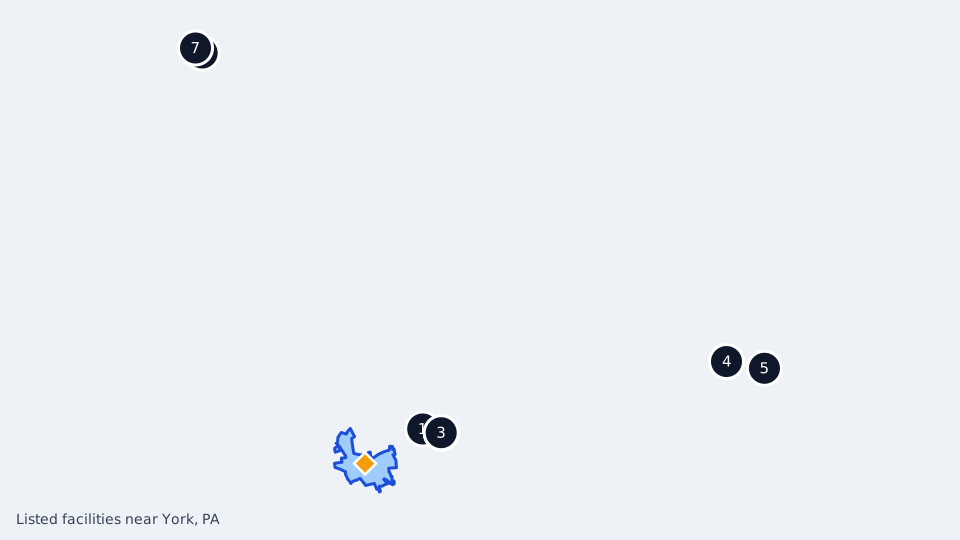
7 options near York, PA, nearest first. Compare services and locations, then call to check availability.
Call (888) 209-0266Ask about your optionsThis number connects to our central helpline, not directly to a listed facility.
Check which services are available for your needs.
Confirm payment options and any waiting time directly.
Ask what information the program needs from you.
When you contact a methadone clinic in the York area, you can ask about their intake process. Programs typically require a physical exam, a substance use assessment, and a review of your medical history before you receive your first dose. You may also want to ask how often you need to visit the clinic, whether telehealth options are available for counseling, and what their policies are for take-home doses.
Because each clinic’s rules and schedules vary, it helps to call ahead and confirm exactly what documents you will need to bring and what steps are required to get started.
Call (888) 209-0266
Methadone clinics provide medication-assisted treatment for opioid use disorder through daily, observed dosing at the clinic, which is the core service you can expect wherever you go. Many programs also add counseling and drug screenings as part of the required treatment structure. Some clinics offer extra supports such as take-home doses once you meet federal stability criteria, group therapy, or referrals to medical and mental health care.
When comparing programs, ask exactly which of these pieces are included, how often counseling sessions happen, and what the daily visit schedule looks like, since requirements can differ from one clinic to another.
Call (888) 209-0266Check which services each program reports offering.
Consider travel distance and whether care is in person or remote.
Ask the program directly about payment and coverage.
Confirm how to contact the program and what to expect.
When you call a methadone clinic for the first time, it helps to have a short list ready. Ask how soon you can be admitted and what the intake appointment involves. Ask what the clinic hours are, including weekends and holidays, since daily dosing depends on them.
Find out the cost per visit, which insurances are accepted, and whether a sliding scale or payment plan exists. Ask whether counseling is provided on site, how often you must attend, and what the policy is on take-home doses. Finally, ask what happens if you miss a dose or relapse, so you know the program's rules before you commit.
In Pennsylvania, payment for methadone clinics can be made through private insurance, public coverage, or self-pay. Many clinics accept major private insurance plans, while public programs such as Medicaid or Medicare may also be used if the clinic participates in those networks. Sliding-scale fees are often offered for low-income patients, reducing costs based on financial need.
Self-pay is a standard option for anyone without insurance. Always verify acceptance of your specific plan or program with the clinic beforehand to avoid unexpected expenses.
Choosing between nearby methadone clinics often comes down to practical fit rather than prestige. Start with location and hours: daily visits mean a clinic you cannot reach before work or on weekends will strain your life quickly. Next, compare costs and insurance, including whether the clinic accepts Medicaid and whether a payment plan is offered.
Ask about wait times for admission, since faster access to the first dose matters. Look at whether counseling is offered on site and whether the staff seems respectful when you call. Finally, ask current or former patients in your area about their experience, since day-to-day treatment by staff often matters more than any brochure.
When you contact a methadone clinic in the York area, you can ask about their intake process.

If you or someone near you is in immediate danger, such as an overdose, a medical crisis, or thoughts of harming yourself or others, call 911 right away. Emergency responders can provide medical care and transport, and most states have Good Samaritan protections that encourage calling for help during an overdose. If a crisis involves mental health or suicidal thoughts, you can also call or text 988, the national Suicide and Crisis Lifeline, which is free and available at any hour.
Do not wait for a clinic appointment or a scheduled dose time to seek emergency help; emergencies take priority over any treatment program.
If you or someone else is in immediate danger, call 911 now.
Call (888) 209-02661600 Mount Zion Road, York, PA, 17406
Active
106 Davies Drive, York, PA, 17402
Active
104 Davies Drive, York, PA, 17402
Active
2192 Embassy Drive, Lancaster, PA, 17603
Active
53 North West End Avenue, Lancaster, PA, 17603
Active
2501 North 3rd Street, Harrisburg, PA, 17110
Active
2835 North Front Street, Harrisburg, PA, 17110
Active
Contact us for more information.
These lists use only what the 7 active facilities listed for York report to SAMHSA's FindTreatment.gov. No facility pays to be included or can ask to be moved. Reporting more options is not a measure of quality, outcomes or suitability for any person. A missing option means the facility did not report it to the source, not that it is not offered. Call the facility to confirm everything before relying on it.
How this list is made: each facility scores one point for each of these 7 payment and cost-assistance options it reports to SAMHSA's FindTreatment.gov (Medicaid; Medicare; Private health insurance; Military insurance (TRICARE); Cash or self-payment; Sliding fee scale; Payment assistance). A facility needs at least 4 to appear. Facilities are shown from the highest count to the lowest; facilities with the same count are in alphabetical order, which has no other meaning. Up to 10 are shown.
How this list is made: each facility scores one point for each of these 4 medications used in treatment it reports to SAMHSA's FindTreatment.gov (Buprenorphine; Methadone; Naltrexone; Medication for alcohol use disorder). A facility needs at least 2 to appear. Facilities are shown from the highest count to the lowest; facilities with the same count are in alphabetical order, which has no other meaning. Up to 10 are shown.
How this list is made: each facility scores one point for each of these 12 age groups and client groups accepted it reports to SAMHSA's FindTreatment.gov (Adolescents; Young adults; Adults; Seniors; Pregnant or postpartum women; Adult women; Adult men; Veterans; Active duty military; Criminal justice clients; Clients who have experienced trauma; Co-occurring mental and substance use disorders). A facility needs at least 5 to appear. Facilities are shown from the highest count to the lowest; facilities with the same count are in alphabetical order, which has no other meaning. Up to 10 are shown.
Some clinics can complete your assessment and administer your first dose the same day, while others require you to schedule a separate appointment for the medical evaluation. It is best to call the clinic you are interested in to ask about their same-day admission policy and what paperwork you will need to bring.
In the beginning, daily visits often last 30 to 60 minutes, which includes dosing and a brief check-in with staff. Once you are stable and eligible for take-home doses, your visits may be less frequent and shorter. Each clinic sets its own dosing hours and policies, so confirm the schedule directly with the program.
A methadone clinic is an outpatient treatment program that provides methadone, a medication used to treat opioid use disorder. You typically visit the clinic once a day to receive your dose under supervision, which helps reduce cravings and withdrawal symptoms. Most programs also include counseling and regular check-ins as part of treatment. Over time, patients who meet stability requirements may qualify for take-home doses.
Yes, many people receiving methadone treatment work full time. Clinics commonly open early so patients can dose before work, and take-home doses can reduce the number of trips once you qualify. Some programs offer evening or weekend hours as well. When choosing a clinic, ask about hours and take-home policies so the program fits your work schedule.
Costs vary widely depending on the clinic, your state, and your insurance. Many clinics accept Medicaid, and some offer sliding-scale fees or payment plans for people paying out of pocket. Fees may be charged per visit, per week, or per month. Before enrolling, ask each clinic for the full cost breakdown and which insurance plans they accept.
Last updated